premature aging skin - treatment , Signs, Causes & Prevention
Premature aging of the skin is a concern that affects many individuals earlier than expected, leading to fine lines, wrinkles, loss of elasticity, dullness, and uneven tone. Understanding the causes, triggers, and deficiencies that accelerate skin aging is essential for maintaining a youthful complexion. In this article, we will explore the first signs of premature aging, how to protect and tighten aging skin, the age at which the skin begins to age, and whether it is possible to reverse or treat premature aging. We will also discuss related skin conditions and diseases, helping you identify risk factors and take preventive measures. By covering these topics in detail, this guide provides a comprehensive and practical approach to managing premature aging, offering insights and strategies to keep your skin healthy and resilient.
premature aging skin care
Premature aging skin care focuses on preventing and minimizing early signs of aging, such as fine lines, wrinkles, loss of elasticity, and uneven skin tone. This approach targets both intrinsic factors, natural aging and genetics and extrinsic factors such as sun exposure, pollution, and lifestyle habits that accelerate skin aging. Key strategies include using broad-spectrum sunscreen daily to protect against UV-induced collagen and elastin damage, incorporating antioxidant-rich serums like vitamin C to combat free radicals, and applying hydrating or skin-conditioning products containing hyaluronic acid, ceramides, or peptides to maintain the skin barrier and elasticity.
Additionally, adopting a consistent cleansing and exfoliation routine helps remove dead skin cells and promotes cellular turnover, while lifestyle habits such as adequate sleep, vegan and cruelty-free makeup , balanced nutrition, stress management, and avoiding smoking and excessive alcohol contribute significantly to maintaining youthful skin. In clinical practice, combining topical care with professional treatments like chemical peels, microdermabrasion, or laser therapy can further reduce visible signs of premature aging, helping the skin appear smoother, firmer, and more radiant over time.
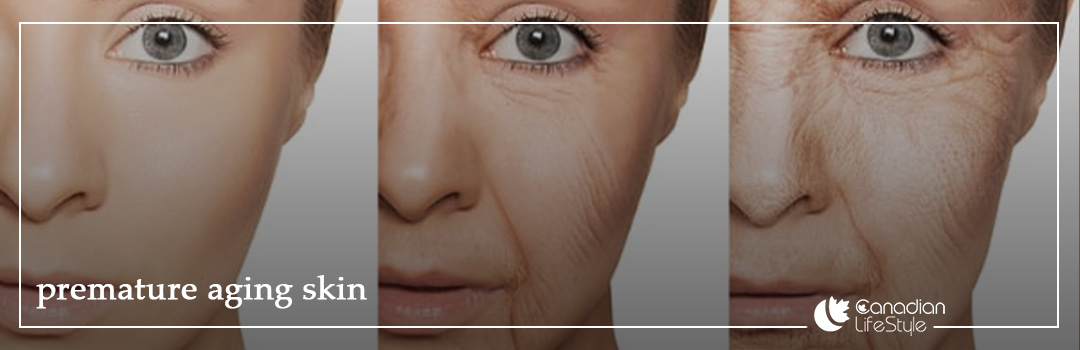
premature aging skin treatment
Premature aging skin treatment involves a combination of preventive and corrective strategies aimed at slowing the visible effects of early aging and restoring skin health. Treatments focus on addressing fine lines, wrinkles, loss of elasticity, dullness, and hyperpigmentation caused by both intrinsic factors, such as genetics and natural aging, and extrinsic factors, including UV exposure, pollution, and lifestyle habits.
Topical treatments commonly include retinoids to stimulate collagen production, antioxidant serums (like vitamin C and E) to neutralize free radicals, and hydrating or skin-conditioning products containing hyaluronic acid, peptides, and ceramides to strengthen the skin barrier and maintain moisture. Using our conditioners can delay premature aging.
Professional interventions are also highly effective in treating premature aging. These include chemical peels, microdermabrasion, microneedling, and laser therapies, which help resurface the skin, improve elasticity, and reduce pigmentation irregularities.
In addition, lifestyle modifications, such as avoiding smoking, limiting alcohol, following a nutrient-rich diet, managing stress, and ensuring adequate sleep, play a vital role in enhancing the results of topical and professional treatments. Combining consistent skincare routines with best anti wrinkle products and clinical treatments provides a comprehensive approach to slowing premature aging, helping the skin appear firmer, smoother, and more youthful.
premature aging skin signs
Premature aging shows up as:
- early wrinkles especially deep ones
- sunspots and age spots and hyperpigmentation
- dull/rough texture
- loss of firmness or sagging
- increased dryness
- visible veins in nose and cheeks
- and a generally tired look
- often due to sun damage
- or lifestyle factors
making skin look older than it is.
Reed more: What Is Collagen
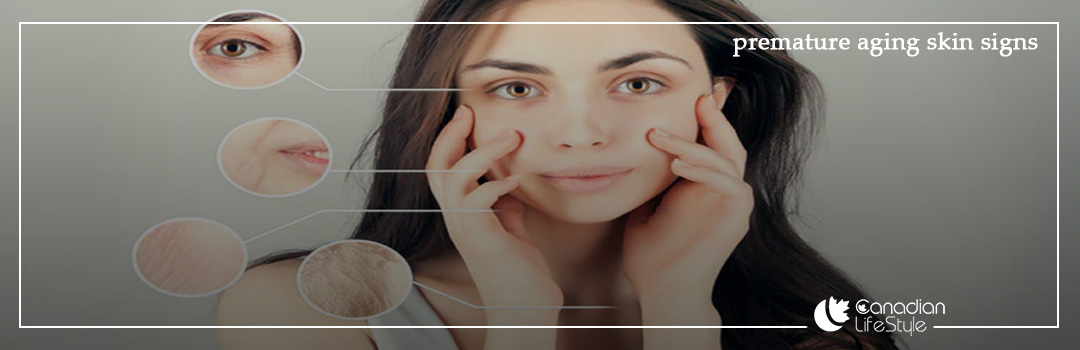
signs of premature aging skin are the early visible indicators that the skin is aging faster than expected for a person’s chronological age. These signs often appear due to a combination of genetic factors and environmental influences, such as sun exposure, pollution, smoking, poor nutrition, and stress. Common signs include fine lines and wrinkles, particularly around the eyes and mouth, loss of elasticity and firmness, and sagging skin. The skin may also show uneven tone, hyperpigmentation, or age spots, along with dryness or rough texture caused by a weakened skin barrier.
Other subtle indicators of premature aging include dullness, enlarged pores, and early appearance of crow’s feet or forehead lines. In some cases, thinning of the skin or the formation of dehydration lines can also be observed. Recognizing these early signs is crucial, as timely interventions—such as protective, hydrating, and antioxidant-rich skincare, along with healthy lifestyle habits—can help slow progression and maintain a youthful, resilient complexion.
Which is one of the first signs of skin aging?
One of the first signs of skin aging is the appearance of fine lines, especially around areas of frequent movement such as the eyes and mouth (smile lines). These lines are caused by a gradual loss of collagen and elastin skin , which are proteins that maintain the skin’s firmness and elasticity. Early fine lines may also be accompanied by slight dryness or rough texture, as the skin’s natural ability to retain moisture diminishes over time. Identifying and addressing these early signs with hydrating, antioxidant-rich, and protective skincare can help slow the progression of premature aging and maintain healthier, more resilient skin.
Reed more: Benefits of salt for the skin
Causes of premature aging
Causes of premature aging involve a combination of intrinsic (internal) and extrinsic (external) factors that accelerate the natural aging process of the skin.
- Intrinsic causes are primarily genetic and hormonal, influencing the skin’s ability to produce collagen, elastin, and natural oils, which maintain firmness, elasticity, and hydration. As we age, these proteins decrease, leading to fine lines, sagging, and thinning skin.
- Extrinsic factors, which are largely preventable, play a significant role in accelerating premature aging. The most common include chronic sun exposure (UV radiation), which damages collagen and leads to pigmentation changes; smoking and excessive alcohol consumption, wearing makeup at a young age which impair blood flow and reduce skin regeneration; poor nutrition, lacking antioxidants and essential fatty acids; stress and inadequate sleep, which increase cortisol and oxidative damage; and environmental pollutants, which generate free radicals that degrade skin structure.
Understanding these causes allows for targeted interventions, including protective skincare, lifestyle modifications, and topical or professional treatments, to slow down premature aging and maintain healthier, youthful-looking skin.
Reed more: Dry Skin After Shower
What is premature aging skin?
Premature aging skin is skin that shows signs of aging earlier than expected for a person’s chronological age, typically due to a combination of genetic predisposition and environmental or lifestyle factors. Unlike natural aging, which progresses gradually, premature aging is often accelerated by external stressors such as UV exposure, pollution, smoking, poor diet, and chronic stress, which damage collagen, elastin, and the skin barrier.
Premature aging skin meaning, helps in taking preventive measures, such as using antioxidant-rich and hydrating skincare, applying daily sunscreen, and maintaining a healthy lifestyle, to slow down the aging process and preserve the skin’s elasticity, firmness, and overall youthful appearance.
Reed more: Benefits of Vitamin E for Skin and Hair
premature aging skin face
Premature aging skin face refers to the early appearance of visible signs of aging on the facial skin, often occurring before the expected age. The face is particularly susceptible because it is constantly exposed to environmental stressors like UV radiation, pollution, and harsh weather conditions, which accelerate the breakdown of collagen, elastin, and hyaluronic acid. Common signs on the face include fine lines, wrinkles, loss of firmness, sagging, uneven skin tone, dullness, and dark spots.
Factors contributing to premature facial aging include chronic sun exposure, smoking, poor nutrition, stress, lack of sleep, and repetitive facial expressions. Preventive and corrective measures focus on protective skincare, including broad-spectrum sunscreens, antioxidant serums, and hydrating or skin-conditioning products, alongside healthy lifestyle habits. Early intervention can slow the progression, maintain facial elasticity, and preserve a youthful, radiant appearance.
Sunscreen for Treatment of Prevention of premature aging of facial skin
Sunscreen
premature aging skin disease
Diseases caused by premature aging are typically those linked to accelerated cellular damage and systemic inflammation, which can affect the skin and overall health. While premature aging itself is not a disease, it increases the risk of several age-related conditions appearing earlier than usual. premature aging skin condition include:
- Progeroid Syndromes – Rare genetic disorders such as Hutchinson-Gilford Progeria Syndrome and Werner Syndrome that cause accelerated aging, including thinning skin, wrinkles, and early onset of age-related diseases.
- Cardiovascular Diseases – Premature aging can accelerate atherosclerosis, heart attack, and stroke due to oxidative stress and systemic inflammation.
- Osteoporosis – Early weakening of bones and reduced bone density can result from cellular aging processes affecting calcium metabolism and bone repair.
- Type 2 Diabetes – Insulin resistance and metabolic dysfunction are linked to premature aging and oxidative stress.
- Neurodegenerative Diseases – Conditions like Alzheimer’s disease and Parkinson’s disease are associated with cellular aging and oxidative damage.
- Skin Disorders – Premature aging contributes to wrinkles, loss of elasticity, sagging, hyperpigmentation, and increased vulnerability to skin cancers.
- Immune Dysfunction – Early decline in immune efficiency can lead to increased susceptibility to infections and slower healing.
Addressing premature aging skin condition through antioxidant-rich skincare, sun protection, healthy lifestyle habits, and clinical interventions can help reduce the risk of these age-related diseases and maintain overall skin and systemic health.
Can premature aging be reversed
While premature aging cannot be completely reversed to restore the skin to its original youthful state, many of its visible signs can be significantly improved and slowed with the right interventions. Treatments focus on repairing skin damage, restoring hydration, stimulating collagen and elastin production, and protecting the skin from further deterioration.
Topical approaches include retinoids to boost collagen synthesis, antioxidant serums like vitamin C and E to neutralize free radicals, and hydrating or skin-conditioning products with hyaluronic acid, ceramides, and peptides to restore the skin barrier.
Professional treatments such as chemical peels, microdermabrasion, microneedling, and laser therapy can improve texture, firmness, and tone. Additionally, sun protection, healthy nutrition, adequate sleep, stress management, buy from clean beauty products shop and avoiding smoking or excessive alcohol play a crucial role in slowing further premature aging. While total reversal isn’t possible, combining these strategies can make the skin appear firmer, smoother, and more youthful, effectively reducing the visible impact of premature aging.
How to protect skin from premature aging?
How to protect skin from premature aging involves a combination of daily skincare, lifestyle habits, and environmental precautions to prevent damage to collagen, elastin, and the skin barrier. The most critical step is sun protection: applying a broad-spectrum sunscreen with SPF 30 or higher daily, wearing protective clothing, and avoiding prolonged sun exposure helps prevent UV-induced damage, which is the leading cause of premature aging.
Can you tighten aging skin?
Yes, while natural aging reduces collagen and elastin, there are several effective ways to firm and tighten the skin. Topical treatments containing retinoids, peptides, and growth factors stimulate collagen production, improve elasticity, and smooth fine lines over time. Hydrating or skin-conditioning products with hyaluronic acid, ceramides, and antioxidants also help plump the skin and restore a more youthful appearance.
In addition to topical care, professional treatments such as radiofrequency therapy, ultrasound skin tightening, microneedling, and laser resurfacing can provide more noticeable lifting and tightening by stimulating deeper dermal collagen remodeling. Maintaining a healthy lifestyle—including a balanced diet, regular exercise, adequate sleep, and sun protection—supports skin health and enhances the results of both topical and clinical interventions. While aging cannot be completely reversed, these strategies can significantly improve firmness, elasticity, and overall skin appearance.
At what age does skin aging begin?
Skin begins its aging process in the mid-twenties, although visible signs typically do not appear until the thirties or forties. During the mid-twenties, the body’s collagen production starts to decline, and the skin’s natural ability to repair itself slows. This early reduction in collagen and elastin can lead to subtle changes such as fine lines, slight sagging, and dullness in the thirties, with more noticeable wrinkles, uneven tone, and loss of elasticity developing over subsequent decades. Early intervention with protective and restorative skincare can help slow this process and maintain healthier, more resilient skin.
Skin aging is a gradual process that starts earlier than most people realize. Intrinsic aging, driven by genetics and natural cellular decline, generally begins in the mid-20s, when collagen production starts to slow and the skin’s natural ability to retain moisture decreases. Early signs may be subtle, such as a slight loss of firmness, minor dryness, or the appearance of fine lines around areas of frequent movement like the eyes.
What deficiency causes premature aging?
Premature aging can be accelerated by deficiencies in certain nutrients and vitamins that are essential for maintaining skin health, collagen production, and antioxidant protection. Key deficiencies linked to premature aging include:
- Vitamin C Deficiency – Essential for collagen synthesis, a lack of vitamin C can lead to loss of skin firmness, wrinkles, and slower wound healing.
- Vitamin E Deficiency – As a powerful antioxidant, low levels of vitamin E can reduce the skin’s ability to fight oxidative stress, contributing to dullness, fine lines, and age spots.
- Vitamin A Deficiency – Retinoids, derived from vitamin A, help regulate skin cell turnover. A deficiency can cause dryness.
In conclusion, premature aging is a complex process influenced by genetics, lifestyle, and environmental factors, as well as nutrient deficiencies that affect skin health. While it cannot be completely reversed, early recognition and consistent care can significantly slow its progression. Using protective and restorative skincare, maintaining a nutrient-rich diet, practicing sun protection, and adopting healthy lifestyle habits can help reduce visible signs like fine lines, wrinkles, and loss of elasticity. Incorporating specialized products designed to support skin repair and hydration ensures that your skin stays resilient, firm, and youthful while minimizing the impact of premature aging over time.