wearing makeup at a young age -effects and side of teenage makeup
While wearing makeup at a young age can be a fun way for children and preteens to express themselves, it is important to understand the potential side effects and risks that come with early use. For example, clogged pores, skin irritation, and even premature skin damage can result from using products that aren't designed for young, sensitive skin. In this article, we'll dive into safe tips for applying makeup at a young age, focusing on how to make the experience enjoyable without compromising skin health. We'll also explore the effects of wearing makeup regularly, how to maintain a healthy skincare routine, and when it's appropriate to introduce makeup into a young person's life. Read on to discover the best practices for young makeup wearers, ensuring both fun and skin safety in equal measure.
Is makeup good for children?
Makeup good for children is generally not recommended for daily use, as their skin is more delicate and sensitive. Children's skin is thinner and more prone to irritation, so using makeup with potentially harsh chemicals, vegan and cruelty free makeup , fragrances, or pigments can lead to breakouts or allergic reactions. However, for special occasions or light use, non-toxic, hypoallergenic makeup that’s specifically formulated for kids can be acceptable for wearing makeup at a young age. It’s important to prioritize gentle, age-appropriate skincare and ensure that any makeup used is properly removed after the day to maintain healthy skin.
That said, occasional, supervised use—such as face paint for play, costumes, or special events—can be acceptable if certain rules are followed:
- Products should be specifically labeled as safe for children
- Formulas should be non-toxic, fragrance-free, and hypoallergenic
- Makeup should be used briefly, not daily
- Skin should be cleansed gently and thoroughly afterward
For older children and preteens, light makeup can be acceptable when approached as self-expression rather than a necessity, and when paired with education about skin health, hygiene, and self-esteem. Emphasizing skincare over makeup helps children develop a healthy relationship with their appearance.
Reed more: What is the skin microbiome
Risks of adult makeup for kids
Risks of adult makeup for kids include skin irritation, allergic reactions, and clogged pores due to stronger pigments, fragrances, and preservatives designed for adult skin. Children’s skin is thinner and more sensitive, making it more vulnerable to redness, rashes, dryness, or breakouts when exposed to adult cosmetic formulas. Some adult makeup products may also contain allergens in cosmetics that are too harsh for developing skin, increasing the risk of long-term sensitivity or barrier damage. In addition, improper removal of heavy wearing makeup at a young age can disrupt a child’s natural skin balance, highlighting why age-appropriate, non-toxic products are always the safer choice.
Is it bad to wear makeup at a young age
wearing makeup at a young age can be tempting for many, but it comes with potential risks, especially if it becomes a regular habit. Children’s skin is more sensitive and prone to irritation, so using makeup designed for adults can cause breakouts, dryness, or allergic reactions. Additionally, frequent makeup use might create unnecessary pressure to conform to beauty standards, impacting a young person’s self-esteem. While occasional, age-appropriate makeup for fun or special events is generally safe, it’s important to prioritize skin health and ensure that any makeup used is gentle. If your teenager insists on wearing makeup, it is best for them to use the best cosmetics for sensitive skin to minimize damage to their skin.
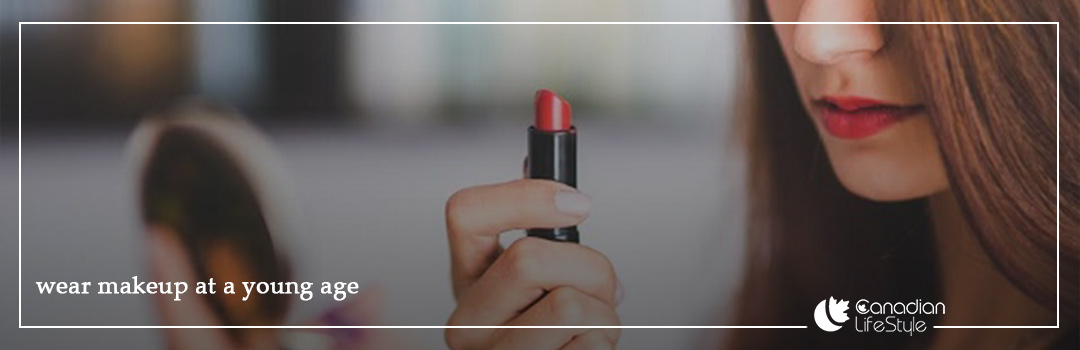
At what age should a child start wearing makeup?
There is no fixed age at which a child should start wearing makeup, as it depends on maturity, purpose, and how makeup is used. For most children, wearing makeup at a young age isn’t necessary at all, and skincare should be the focus instead.
- Under 10 years old: Makeup is generally not recommended, except for occasional use during play, costumes, or special events, and only with products made specifically for children.
- Around 11–13 years (preteen years): Light, minimal makeup may be appropriate if the child shows interest and understands hygiene and skin care. This usually means tinted lip balm, clear mascara, or a light lip gloss rather than full-face makeup.
- Teen years: More regular makeup use can be acceptable when paired with proper skincare habits, gentle products, and education about skin health and self-confidence.
The most important factor is ensuring makeup is used as self-expression, not as a requirement to look a certain way, and that all products are age-appropriate, non-toxic, and properly removed to protect young skin.
Reed more: What Is Collagen
Is it safe to use 10 year old makeup?
It is not safe to use 10-year-old makeup. Over time, makeup products can degrade, and their effectiveness, texture, and safety can be compromised. After several years, makeup can harbor bacteria, mold, or fungi, especially if it has been exposed to air or moisture. Expired makeup may cause skin irritation, allergic reactions, or infections, as the preservatives and ingredients break down over time. Additionally, makeup that is kept for too long can lose its intended color, consistency, and performance. To wearing makeup at a young age, it is better to know how to store cosmetics to cause less damage to your thin, young skin.
For safety and hygiene, it's recommended to replace makeup regularly:
- Mascara and liquid eyeliner should be replaced every 3–6 months.
- Powder products (blush, eyeshadow, foundation) can last up to 2 years, but it's still important to inspect them for changes in texture or smell.
- Lipsticks can last about 1–2 years, while other products like foundations and concealers should be discarded after 1–2 years.
To keep your skin healthy, always check the expiration date on makeup products and replace them when necessary.
Should 9 year olds wear makeup?
9-year-olds should not wear makeup regularly. At this age, children's skin is still developing and is much more sensitive than adult skin. Using makeup, especially products made for adults, can lead to skin irritation, allergic reactions, clogged pores, and even long-term damage. Children at this age are also still learning about personal hygiene and self-care, and it’s important to focus on healthy skincare habits rather than introducing makeup too early.
Reed more: Benefits of Iron Supplements for Skin, Hair, and Nails
Is 12 too young for makeup?
12 is not necessarily too young for makeup, but it depends on how and why the makeup is being used. At this age, many preteens may begin experimenting with makeup as a form of self-expression or for fun, especially for special events like school dances, photoshoots, or themed parties. Light, age-appropriate makeup such as lip gloss, tinted balm, or a subtle bit of mascara can be acceptable if the child shows an interest in. It is recommended that makeup be applied at a young age under the supervision of parents and from a clean beauty products shop to minimize damage to teenage skin.
Does wearing makeup at a young age age the skin faster?
Wearing makeup at a young age does not directly age the skin faster, but certain habits associated with early makeup use can contribute to skin issues that may affect its long-term health. For example, if makeup is not properly removed, it can clog pores, irritate the skin, and disrupt the natural barrier, which over time may lead to dryness, breakouts, and uneven texture. Using harsh or low-quality products can also weaken the skin’s protective layer. Teenagers are advised to cleanse their face of any makeup with a gentle cleanser after each use to minimize damage.
These cleansers are useful for all skin types, even those who wear makeup at a young age and during adolescence.
Face Wash Foam
Side effects of wearing makeup at a young age
Side effects of wearing makeup at a young age can vary depending on the type of makeup used and how it's applied, but some common risks include:
- Skin Irritation and Allergic Reactions: Children's skin is more sensitive and delicate, making it more prone to allergic reactions or irritation from makeup ingredients like fragrances, preservatives, or harsh chemicals.
- Clogged Pores and Breakouts: Makeup, especially when not removed properly, can clog pores, leading to acne, blackheads, and other skin issues. This is particularly concerning for young skin, which is still developing and more susceptible to breakouts.
- Premature Skin Damage: Using makeup regularly at a young age can lead to the buildup of products on the skin, premature aging skin , potentially causing dryness, dullness, or inflammation. If makeup is not properly cleaned off, it can interfere with the skin's natural regeneration process, potentially leading to early signs of skin damage.
- Eye Irritation or Infection: Makeup around the eyes, such as mascara or eyeliner, can cause irritation or even infections if it's not used hygienically. Children are more likely to touch their eyes or leave makeup on overnight, increasing the risk of bacterial buildup.
- Influence on Self-Image: Wearing makeup at a young age can sometimes place unnecessary pressure on children to conform to beauty standards, potentially affecting their self-esteem and body image.
It's important to note that occasional, light use of makeup for fun or special events may not cause significant harm if appropriate, gentle products are used and removed properly. However, daily makeup is not recommended for young children, and it’s crucial to encourage healthy skincare habits as a priority.
Reed more: Benefits of Vitamin E for Skin and Hair
Tips for applying wearing makeup at a young age
If a child or preteen is interested in experimenting with makeup, it’s important to do so safely and gently. Here are some helpful tips for wearing makeup at a young age:
- Use Age-Appropriate Products: Choose makeup specifically formulated for children or young, sensitive skin. Look for non-toxic, hypoallergenic, fragrance-free, and gentle formulas.
- Keep It Minimal: Focus on light, fun applications such as tinted lip balm, sheer gloss, or a small amount of gentle blush. Avoid heavy foundations or dark, dramatic colors.
- Prioritize Hygiene: Always use clean brushes, applicators, or fingertips to apply makeup. Avoid sharing makeup with friends to prevent bacteria transfer.
- Remove Makeup Properly: Teach children to cleanse their skin thoroughly at the end of the day using gentle, age-appropriate cleansers to prevent clogged pores and irritation.
- Limit Frequency: Makeup should be occasional rather than daily. This ensures the skin stays healthy and reduces the risk of irritation or breakouts.
- Protect the Skin: Encourage a basic skincare routine, including sunscreen, even if light makeup is applied. Healthy skin should always come first.
Start using sunscreen at a young age.
Sunscreen
Following these tips allows young individuals to enjoy makeup as a fun form of self-expression while keeping their skin safe and healthy.
In conclusion,
wearing makeup at a young age can be a fun and creative way for children and teens to express themselves, but it is essential to approach it with caution and care. By choosing gentle, age-appropriate products, practicing good hygiene, and focusing on light, minimal application, young people can enjoy makeup without compromising the health of their skin. To reduce the risk of side effects of applying makeup at a young age and during adolescence, use canadianlifestyle products for extra care to significantly reduce the damage caused by cosmetics.