What is the Skin Microbiome ? The 2026 Guide to Repair & Health
The human skin is more than just a physical barrier; it is a thriving, microscopic metropolis. At any given moment, trillions of microorganisms—including bacteria, fungi, and viruses—are working on your surface to maintain your health. This complex ecosystem, known as the skin microbiome, is the secret to a radiant, resilient, and clear complexion. Recent scientific breakthroughs in 2024 and 2026 have proven that almost every major skin concern, from chronic acne to premature aging, is rooted in the health of these tiny residents.
In this comprehensive guide, we will explore the intricate skin microbiome composition, the factors that lead to microbial damage, and the most effective, research-backed ways to restore your biological shield. Whether you are dealing with chronic sensitivity or looking to optimize your skincare routine through a skin microbiome test, understanding this invisible layer is the first step toward achieving genuine, long-term skin health.
What is the skin microbiome?
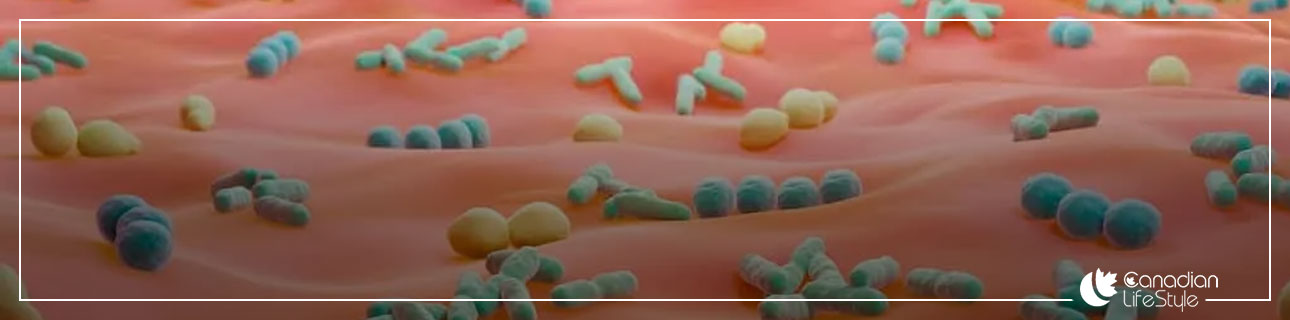
The skin microbiome is an expansive and invisible ecosystem consisting of trillions of microorganisms that live on the surface and within the deeper layers of our skin. Often referred to as the "living shield," the skin microbiome acts as a complex biological community where bacteria, fungi, viruses, and mites coexist. While we traditionally viewed bacteria as harmful "germs," modern science has proven that a healthy skin microbiome is actually the foundation of a radiant and resilient complexion. This ecosystem is not just a random collection of microbes; it is a highly organized environment that communicates directly with our immune system to provide a first line of defense against environmental aggressors.
Every individual possesses a unique skin microbiome signature, as distinct as a DNA profile or a fingerprint. In a balanced state, the skin microbiome functions in a symbiotic relationship with human cells, meaning both the microbes and the host benefit from the interaction. However, when the diversity of the skin microbiome is compromised—due to harsh skincare products or environmental toxins—the skin becomes vulnerable to sensitivity, premature aging, and inflammation. Understanding the skin microbiome is therefore essential for anyone looking to move beyond surface-level beauty toward genuine, biological skin health.
Biological and Environmental Drivers of Microbial Diversity
To maintain a healthy skin microbiome, it is crucial to understand that this microbial landscape is not static. It is constantly shaped and reshaped by a variety of internal biological variables and external stressors. These drivers dictate which species will thrive and which will perish, ultimately determining the strength of the skin's natural defenses.
The following factors play a primary role in determining the overall health, composition, and diversity of the skin microbiome:
- Skin pH Levels: An acidic environment (typically pH 4.7–5.5) is the cornerstone of microbial health. It allows beneficial bacteria to flourish while inhibiting the growth of opportunistic pathogens.
- Moisture and Hydration: The water content of the skin's surface determines the metabolic rate of microbes. Dehydration can lead to a significant loss of microbial richness.
- Lipid and Sebum Production: Natural oils serve as the primary energy source for specific microbes like Cutibacterium acnes. An overproduction or underproduction of sebum can cause a dramatic shift in species dominance.
- Environmental Exposure: Factors such as UV radiation, particulate matter from pollution, and seasonal climate changes can physically alter the surface of the skin, leading to microbial stress.
- Topical Chemical Impact: The use of alkaline soaps, synthetic fragrances, or high-alcohol sanitizers can strip away the protective layers of the skin microbiome, causing long-term damage to the ecosystem.
Reed more: Benefits of Vitamin E for Skin and Hair
The "Neighborhoods" of the Skin Surface
To truly grasp what the skin microbiome is, we must look at its specific "neighborhoods" or topographical zones. The human body does not have a uniform skin microbiome; instead, it is divided into oily (sebaceous), moist, and dry regions, each supporting different microbial residents. For instance, the skin microbiome on your forehead is vastly different from the community found on your forearms or underarms. By nurturing the skin microbiome through balanced hygiene and microbiome-friendly ingredients, we can maintain the delicate equilibrium required for the skin to heal itself and stay protected from pathogens.
Reed more: Benefits of salt for the skin
The Role of the Microbiome in the Acid Mantle
The skin microbiome plays a crucial role in maintaining the skin’s "acid mantle," the slightly acidic film on the skin's surface. Beneficial bacteria within the skin microbiome break down sebum into fatty acids, which keeps the skin's pH at an optimal level (around 5.0). This acidity is vital because it creates a hostile environment for "bad" bacteria while allowing the "good" members of the skin microbiome to thrive. Without a functioning skin microbiome, the pH balance of our skin would shift, leading to a weakened barrier and increased moisture loss.
How the Skin Microbiome Evolves Over Time
Your skin microbiome is not static; it evolves from the moment of birth through various life stages. During puberty, hormonal shifts increase sebum production, which significantly alters the composition of the skin microbiome by favoring oil-loving bacteria. As we age, the diversity and richness of the skin microbiome tend to decrease, which is why older skin often requires more support to maintain its protective barrier. By understanding that the skin microbiome is a living, breathing entity, we can adapt our skincare routines to support its changing needs throughout our lives.
Reed more: What Is Collagen
importance of skin microbiome
The significance of the skin microbiome extends far beyond simple surface protection; it is an essential component of human physiology that modulates systemic health. While the physical skin barrier consists of dead skin cells (corneocytes) and lipids, it is the skin microbiome that provides the "living" intelligence required to respond to a changing environment. This microbial layer acts as a sophisticated biosensor, constantly scanning for threats and adjusting the skin's chemical environment to maintain homeostasis. Without a diverse and robust skin microbiome, the body’s largest organ loses its ability to self-regulate, leading to a cascade of inflammatory responses and structural vulnerabilities.
Beyond mere presence, the skin microbiome is responsible for the synthesis of vital compounds that human cells cannot produce on their own. These microbes metabolize skin oils and environmental molecules to create a "postbiotic" landscape rich in antimicrobial peptides and organic acids. This process ensures that the skin microbiome remains an inhospitable environment for transient, disease-causing bacteria. In the modern era of "over-sanitization," the importance of preserving this delicate microbial balance has become a primary focus for dermatologists seeking to treat the root causes of skin sensitivity rather than just the symptoms.
Reed more: Dry Skin After Shower
The Sentinel Role in Immune System Modulation
One of the most profound reasons for the importance of the skin microbiome is its role in "educating" the adaptive immune system. The microbes residing on our surface are in a state of constant cross-talk with the T-cells and dendritic cells located just beneath the epidermis. This interaction ensures that the immune system remains "primed" but not "hyper-reactive." A healthy skin microbiome sends signals that suppress unnecessary inflammation, preventing the body from attacking its own tissues. When the skin microbiome is depleted, this communication is severed, which is a primary driver in the development of autoimmune-related skin disorders.
Chemical Defense and the Synthesis of Antimicrobials
The skin microbiome serves as a natural pharmaceutical factory. Specific commensal bacteria within the skin microbiome produce their own antibiotics, known as bacteriocins. These substances are highly targeted; they selectively inhibit the growth of pathogenic species like Staphylococcus aureus without harming the beneficial residents of the skin microbiome. Furthermore, the skin microbiome contributes to the production of antioxidants that help neutralize free radicals generated by environmental stressors. This chemical defense layer is the body's most effective tool for preventing the colonization of harmful microbes that cause infections and slow down the wound-healing process.
Enhancing the Physical Barrier and Moisture Retention
The structural integrity of the skin is heavily dependent on the metabolic activities of the skin microbiome. Certain bacteria are known to stimulate the production of ceramides and filaggrin—proteins and lipids that act as the "mortar" between skin cells. By reinforcing this physical wall, the skin microbiome prevents Trans-Epidermal Water Loss (TEWL), ensuring the skin remains hydrated and plump. Consequently, a compromised skin microbiome often manifests as chronic dryness and "tightness," as the skin loses its natural ability to seal in moisture against the dry external air.
Reed more: Benefits of iron supplements for skin, hair and nails
how to restore your skin microbiome naturally
Restoring a compromised skin microbiome requires a strategic shift from aggressive intervention to supportive care. In a world dominated by sterilization, the natural recovery of your microbial ecosystem depends on creating a "pro-diversity" environment. This process, often called "rewilding the skin," focuses on removing the stressors that cause microbial depletion while reintroducing the nutrients necessary for beneficial bacteria to recolonize. True restoration of the skin microbiome is not an overnight fix; it involves a systemic change in how we interact with our skin’s surface, moving away from harsh surfactants and toward biocompatible, lipid-rich formulas that mimic the skin’s natural secretions.
The primary goal of natural restoration is to re-establish the "competitive exclusion" principle. By strengthening the indigenous "good" bacteria, you naturally crowd out the opportunistic pathogens that trigger flares. Supporting the skin microbiome also involves a lifestyle component, as internal health and external microbial diversity are intrinsically linked through the gut-skin axis. By prioritizing the following natural strategies, you can rebuild the integrity of your skin microbiome, leading to a significant reduction in sensitivity and a visible increase in skin clarity and resilience.
The "Less is More" Hygiene Protocol
The most immediate way to support the skin microbiome is to reduce the frequency and intensity of cleansing. Traditional foaming cleansers often have a high pH, which acts as a "chemical shock" to the skin microbiome. Switching to soap-free, non-foaming cleansers or oil-based washes helps preserve the delicate acid mantle. Furthermore, avoiding excessively hot water—which strips the skin of essential lipids—ensures that the "food source" for your skin microbiome remains intact. By allowing the skin to retain some of its natural oils, you provide the biological infrastructure necessary for beneficial microbes to thrive.
Incorporating Microbiome-Friendly Ingredients
When looking to heal the skin microbiome, the focus should be on "prebiotic" and "postbiotic" topical applications. These ingredients do not just sit on the surface; they actively interact with the microbial community.
- Fermented Plant Extracts: Ingredients like fermented rice water or kombucha are rich in organic acids that lower skin pH and feed the skin microbiome.
- Colloidal Oatmeal: Acts as a prebiotic, providing complex sugars that beneficial bacteria like epidermidis use to produce protective metabolites.
- Squalane and Ceramides: These skin-identical lipids replenish the physical barrier, providing a secure "habitat" for the skin microbiome to reside in.
- Rosehip and Jojoba Oils: These oils closely mimic human sebum, supporting the specialized oil-loving microbes of the skin microbiome without clogging pores.
The Gut-Skin Connection: Internal Support
Restoring the skin microbiome is not solely a topical endeavor. Research into the "Gut-Skin Axis" shows that a diverse gut microbiome directly influences the inflammatory markers on the skin. Consuming a diet rich in diverse fibers, polyphenols, and fermented foods (like kimchi or kefir) helps regulate the systemic immune response. When the gut is healthy, it sends signals that reduce the likelihood of the immune system "attacking" the skin microbiome, thereby allowing the surface ecosystem to stabilize and flourish naturally.
Environmental Rewilding and Nature Exposure
Scientific studies have shown that individuals who spend more time in biodiverse natural environments—such as forests or organic gardens—possess a significantly more diverse skin microbiome. This "environmental seeding" introduces a wider variety of harmless, beneficial microbes to the skin, which helps "train" the local ecosystem to be more resilient. Simply spending time outdoors or using skincare products derived from soil-based organisms can help reintroduce the microbial richness that modern urban living has largely eliminated.
skin microbiome test
The emergence of the skin microbiome test represents a revolutionary shift from generalized skincare to precision medicine. For decades, dermatological treatments were based on visible symptoms—dryness, oiliness, or redness—without understanding the underlying microbial triggers. Today, a skin microbiome test allows individuals to peer into their microscopic ecosystem to identify exactly which bacterial or fungal strains are overrepresented or deficient. This data-driven approach removes the guesswork from skincare, enabling a level of personalization that was previously only available in high-end research laboratories. By utilizing DNA sequencing technology, a skin microbiome test provides a high-resolution map of your skin's health, revealing the "invisible" causes of chronic irritation or persistent acne.
Investing in a skin microbiome test is particularly valuable for those who have seen little success with traditional "over-the-counter" solutions. These tests often utilize 16S rRNA sequencing or shotgun metagenomics to identify the genus and species of the organisms living on your face or body. The results of a skin microbiome test typically include a "Diversity Score," which compares your microbial richness to a healthy baseline. Understanding these metrics is the first step toward a targeted "microbiome-rebalancing" routine, where products are selected not by marketing claims, but by their ability to correct the specific imbalances identified in your personal skin microbiome test report.
How a Skin Microbiome Test Works: The Science of Sampling
The process of a skin microbiome test is remarkably non-invasive but scientifically complex. It typically begins with a specialized swab or an adhesive strip used to collect microbial DNA from the skin's surface. Unlike a standard biopsy, a skin microbiome test does not require a tissue sample; instead, it captures the "biofilm" that sits atop the epidermis. Once the sample is sent to a lab, the genetic material is amplified and sequenced. This allows scientists to identify non-culturable microbes—those that cannot grow in a petri dish but play a massive role in your skin’s daily health. The resulting data from the skin microbiome test serves as a baseline for measuring the effectiveness of any subsequent dietary or topical changes.
Interpreting Results: Diversity and Dysbiosis
The most critical metric provided by a skin microbiome test is the "Shannon Diversity Index." A high score indicates a robust and resilient ecosystem, while a low score suggests "dysbiosis," a state linked to conditions like eczema and premature aging. A comprehensive skin microbiome test will also highlight the ratio of Cutibacterium acnes to Staphylococcus epidermidis. An imbalance here is a primary indicator of "maskne" or adult acne. By interpreting these ratios, users can move away from "one-size-fits-all" antibacterial treatments and instead use targeted prebiotics to support the specific strains their skin microbiome test showed were lacking.
The Future of Personalized Dermatology (2026 and Beyond)
As we move through 2026, the skin microbiome test is becoming integrated with Artificial Intelligence (AI) to provide real-time skincare adjustments. Future iterations of the skin microbiome test are expected to be wearable or "smart" patches that monitor microbial shifts in response to pollution or UV exposure. This evolution means that the data from your skin microbiome test won't just be a static report, but a dynamic guide that tells you when your skin needs more hydration, a pH correction, or a specific postbiotic boost. This transition from "reactive" to "proactive" care is the ultimate benefit of modern microbial testing.
skin microbiome composition
The skin microbiome composition is a sophisticated arrangement of biological diversity, categorized into four primary phyla: Actinobacteria, Firmicutes, Proteobacteria, and Bacteroidetes. While these names may seem overly academic, they represent the foundational pillars of your skin's health. Within these groups, specific genera dominate different regions of the body based on the availability of nutrients like lipids and minerals. Understanding the skin microbiome composition is not just about counting bacteria; it is about identifying the delicate ratios between these organisms. When the skin microbiome composition is balanced, the skin remains clear; when one phylum overpowers the others, the structural integrity of the skin begins to fail.
Unlike the gut, where Bacteroidetes and Firmicutes are the most common, the skin microbiome composition is uniquely characterized by a high prevalence of Actinobacteria. This phylum includes the well-known Cutibacterium and Corynebacterium, which are essential for maintaining the skin's acidic environment. Furthermore, the skin microbiome composition includes non-bacterial residents such as Malassezia fungi and Demodex mites, which, in controlled numbers, play a role in scavenging dead skin cells and waste products. Analyzing the skin microbiome composition through high-resolution sequencing reveals that even the deepest layers of the dermis host their own specialized microbial communities, creating a three-dimensional living network.
Dominant Bacterial Genera and Their Habitats
The skin microbiome composition is highly site-specific, meaning the organisms found on your face are drastically different from those on your legs. Scientists categorize these habitats into three distinct micro-environments:
- Sebaceous (Oily) Sites: In areas like the T-zone and back, the skin microbiome composition is dominated by Propionibacterium (now Cutibacterium) species. These microbes specialize in breaking down triglycerides in sebum.
- Moist Sites: The bends of the elbows and the axilla (armpits) show a skin microbiome composition rich in Staphylococcus and Corynebacterium. These areas require microbes that can tolerate high humidity and salt concentrations.
- Dry Sites: The forearms and palms possess the most diverse skin microbiome composition, often containing a mix of all four major phyla. This diversity is a survival mechanism against the fluctuating temperatures and lack of moisture in these zones.
The Fungal and Viral Components (The Mycobiome and Virome)
While bacteria receive the most attention, the skin microbiome composition is incomplete without discussing the mycobiome (fungi) and the virome (viruses). The fungal community is largely dominated by Malassezia species across most body sites, except for the feet, where diversity increases significantly with the presence of Aspergillus and Cryptococcus. Additionally, the skin microbiome composition contains a vast array of bacteriophages—viruses that "infect" bacteria. These phages are crucial regulators; they keep bacterial populations in check, preventing any single species from growing too large and disrupting the overall skin microbiome composition.
The Role of "Commensals" versus "Pathobionts"
Within the skin microbiome composition, organisms are generally classified as commensals (helpful) or pathobionts (potentially harmful). Pathobionts, such as Staphylococcus aureus, are often present in a healthy skin microbiome composition in small numbers. They only become "pathogenic" when the surrounding microbial community is weakened. A robust skin microbiome composition utilizes "colonization resistance," where the sheer volume and diversity of beneficial microbes prevent pathobionts from expressing their harmful traits. This highlights why preserving the natural skin microbiome composition is far more effective than trying to eliminate specific bacteria through harsh sterilization.
Reed more: Micellar Water Ingredients
skin microbiome and acne
The relationship between the skin microbiome and acne has undergone a paradigm shift in recent years. Historically, acne was treated as a simple infection caused by the overgrowth of Cutibacterium acnes (formerly Propionibacterium acnes). However, genomic sequencing has revealed that C. acnes is a primary resident in the skin microbiome of almost every healthy adult. The development of acne is not caused by the mere presence of this bacteria, but by a loss of "strain diversity" within the skin microbiome and acne-prone areas. When the ecosystem becomes a monoculture dominated by pro-inflammatory lineages, the skin’s immune system triggers the redness and swelling associated with breakouts.
In a balanced skin microbiome and acne-free environment, different strains of bacteria work together to keep pores clear and inflammation low. When this balance is disrupted, a process called "biofilm formation" occurs. These biofilms act as a protective shield for pathogenic strains, making them resistant to traditional topical treatments. Therefore, modern strategies for managing the skin microbiome and acne focus on "microbial modulation"—rebalancing the types of bacteria present—rather than using broad-spectrum antibiotics that kill both the "good" and "bad" residents of the ecosystem.
The Role of Sebum in Microbial Dysbiosis
Sebum acts as the primary fuel source for the residents of the skin microbiome and acne-prone zones. When hormones or diet trigger an overproduction of oil, it provides an unlimited food supply for specific bacterial strains. This abundance allows certain anaerobic bacteria to migrate deeper into the follicle, where they ferment the oil into fatty acids. While these acids are normally beneficial for the skin's pH, an excess within the confined space of a pore leads to chemical irritation. This shift in the skin microbiome and acne cycle demonstrates that clear skin is as much about managing the "microbial diet" as it is about external cleansing.
The Paradox of Over-Cleansing and Breakouts
One of the most common mistakes in managing the skin microbiome and acne is the use of aggressive, "anti-acne" soaps and alcohols. These products are designed to kill bacteria, but they often eliminate the "peacekeeper" microbes like Staphylococcus epidermidis first. S. epidermidis is a vital ally in the skin microbiome and acne battle because it produces succinic acid, a natural compound that inhibits the growth of acne-causing strains. By stripping away these protective neighbors, harsh treatments inadvertently create a "biological vacuum" that the most aggressive, acne-linked strains are the first to fill.
Next-Gen Treatments: Phage Therapy and Live Probiotics
As we look toward the future of the skin microbiome and acne management, "Phage Therapy" is emerging as a leading solution. Bacteriophages are viruses that target and kill only specific, harmful strains of C. acnes while leaving the rest of the skin microbiome untouched. Unlike antibiotics, which act like a "carpet bomb," phages act like "sharpshooters." Coupled with topical probiotics that reintroduce "friendly" strains, this targeted approach allows for the restoration of a healthy skin microbiome and acne-resistant environment without the side effects of dryness, peeling, or long-term bacterial resistance.
How to repair the skin microbiome?
Learning how to repair the skin microbiome is a process of biological rehabilitation that goes beyond simple hydration. When the microbial ecosystem has been severely damaged by long-term antibiotic use, harsh chemical peels, or environmental pollutants, the skin enters a state of chronic "alarm." To effectively address how to repair the skin microbiome, one must focus on the reconstruction of the "niche"—the physical and chemical environment that allows beneficial microbes to anchor themselves to the skin cells. This involves a two-phase approach: first, neutralizing the inflammatory triggers that repel "good" bacteria, and second, providing the bio-identical lipids that serve as the structural foundation for microbial colonization.
The challenge of how to repair the skin microbiome lies in the fact that modern skin is often "too clean." This sterility prevents the cross-seeding of diverse microbial species that are essential for a resilient barrier. To solve the problem of how to repair the skin microbiome, dermatologists now recommend a "low-intervention" period, often called a "skin fast," where the use of synthetic actives is paused. This allows the skin’s natural pH-regulating mechanisms to reboot, creating a hospitable landscape for the return of commensal organisms like Staphylococcus epidermidis and Micrococcus, which are the primary architects of a healthy surface environment.
The "Billion-Cell" Rule: Reintroducing Live Cultures
A vital step in how to repair the skin microbiome is the targeted use of live, active probiotic spores. Unlike standard fermented extracts, live probiotics physically occupy the space on the skin's surface, actively producing antimicrobial peptides that kill off lingering pathogens. When considering how to repair the skin microbiome, it is important to look for stabilized strains such as Nitrosomonas eutropha (Ammonia-Oxidizing Bacteria). These specialized microbes consume the irritating components of our sweat and convert them into skin-soothing byproducts like nitrite and nitric oxide, which facilitate rapid healing and cellular turnover.
Biomimetic Lipid Replacement: Building the Microbial Habitat
You cannot understand how to repair the skin microbiome without addressing the "mortar" of the skin barrier. The microbes in our ecosystem require a specific lipid matrix—composed of ceramides, cholesterol, and free fatty acids—to survive. If this matrix is washed away by foaming surfactants, the microbes have nowhere to live. A key strategy for how to repair the skin microbiome is the application of "physiological lipids" in a 3:1:1 ratio. This specific concentration mimics the skin’s natural composition, providing a safe harbor for beneficial bacteria to nestle within the stratum corneum and perform their protective functions.
Postbiotic Sealing: Locking in the Recovery
The final phase of how to repair the skin microbiome involves the use of postbiotic lysates. These are the "molecular leftovers" of beneficial bacteria—such as enzymes, cell wall fragments, and organic acids—that act as signals to the skin's immune system. By applying these postbiotic signals, you essentially "tell" the skin that the war is over and it is safe to begin the repair process. This is the most efficient way of how to repair the skin microbiome for those with extremely sensitive or reactive skin who might react poorly to live cultures. It provides the benefits of a balanced microbiome (reduced redness and improved moisture) without the risk of an overactive immune response.
What does an unhealthy skin microbiome look like?
Identifying an unhealthy skin microbiome requires a shift from looking at isolated blemishes to observing the overall behavior and texture of the skin. When the microbial ecosystem is in a state of "dysbiosis," the skin loses its ability to remain calm under environmental pressure. Visually, an unhealthy skin microbiome often manifests as a "dull" or "ashy" complexion, a direct result of a slowed cellular turnover rate and a lack of microbial metabolic byproducts that usually provide a natural glow. Unlike a temporary reaction to a product, the signs of an unhealthy skin microbiome are persistent and often cyclical, indicating that the foundational defense system is no longer capable of self-regulation.
On a structural level, an unhealthy skin microbiome looks "porous" and uneven. Because the beneficial bacteria are no longer present to stimulate the production of essential lipids, the skin barrier develops microscopic gaps. These gaps allow moisture to escape and irritants to enter, leading to a "tight" sensation that remains even after applying heavy moisturizers. Furthermore, an unhealthy skin microbiome is frequently characterized by "patchy" redness—areas where the immune system is hyper-reacting to common environmental microbes because the "peacekeeping" commensal bacteria are missing.
The Visible Texture: Roughness and "Micro-Flaking"
One of the hallmark signs of an unhealthy skin microbiome is a gritty or rough texture that does not respond to traditional exfoliation. In a healthy state, microbes help break down the protein "glue" (desmosomes) that holds dead skin cells together. In an unhealthy skin microbiome, this process is interrupted, leading to a disorganized accumulation of cells known as micro-flaking. This makes the skin look "leathery" and prevents light from reflecting evenly off the surface. If you notice that your skin feels "rough" to the touch despite using scrubs, it is a primary indicator of an unhealthy skin microbiome struggling with its natural desquamation process.
Symptomatic Markers: Reactivity and Chronic Sensitivity
Beyond the visual, an unhealthy skin microbiome is defined by its extreme reactivity. This is often described as "sensitized" skin rather than "sensitive" skin. If products that used to be tolerable now cause a stinging or burning sensation, it is a sign that the unhealthy skin microbiome is no longer providing its chemical "buffer." This lack of protection means that even pure water can feel irritating to the exposed nerve endings in the dermis. This chronic state of inflammation is a clear diagnostic marker of an unhealthy skin microbiome that has lost its diversity and is currently dominated by opportunistic, pro-inflammatory species.
Clinical Manifestations: Recurring Blemishes and Fungal Imbalances
An unhealthy skin microbiome is the perfect breeding ground for persistent clinical issues. This does not just include traditional acne, but also "fungal acne" (Malassezia folliculitis), which appears as small, uniform, itchy bumps. In an unhealthy skin microbiome, the absence of bacterial "competitors" allows yeasts to overgrow in the hair follicles. Additionally, if the skin appears "greasy yet dehydrated"—a common paradox—it suggests that the unhealthy skin microbiome is in a state of chaos, where the overproduction of sebum is a desperate attempt by the body to protect a surface that is devoid of its microbial guardians.
What damages the skin microbiome?
Understanding what damages the skin microbiome is the first step in moving from a state of chronic inflammation to one of microbial resilience. Our modern lifestyle is fundamentally at odds with the biological needs of our skin’s residents. While the skin microbiome is evolved to handle natural stressors like soil and varying temperatures, it is ill-equipped to survive the chemical onslaught of industrial hygiene. The primary culprits behind what damages the skin microbiome are often the very products marketed as "clean" or "purifying." These substances act as "microbial erasers," stripping away years of evolutionary protection in a single wash and leaving the skin’s immune system in a state of permanent vulnerability.
Beyond chemical exposure, the physical environment of the 21st century plays a massive role in what damages the skin microbiome. Chronic exposure to high-energy visible (HEV) light and particulate matter (PM2.5) from urban pollution does more than just clog pores; it creates a "toxic fog" that alters the oxygen levels on the skin surface. This environmental shift favors the growth of anaerobic pathogens over the aerobic "good" bacteria. When we analyze what damages the skin microbiome, we must view it as a cumulative effect of "over-sanitization, over-exfoliation, and environmental isolation," which together create a sterile environment where only the most aggressive and harmful microbes can survive.
The "pH Shock": Alkaline Surfactants and Detergents
The single most destructive factor in the list of what damages the skin microbiome is the use of high-pH surfactants. Traditional bar soaps and foaming cleansers often have a pH of 9 to 11, whereas the skin’s biological sweet spot is around 5.0. This "pH shock" causes an immediate collapse of the microbial population. Even a single wash with an alkaline detergent can disrupt the skin microbiome for up to 16 hours. During this window of vulnerability, the skin’s "acid mantle" is neutralized, allowing pathogenic species like Staphylococcus aureus—which thrive in neutral or alkaline environments—to gain a foothold and begin the process of colonization.
The Antibacterial Trap: Preservatives and Sanitizers
In the quest for safety, we have inadvertently embraced a "scorched earth" policy toward our skin. Broad-spectrum preservatives found in many skincare products, such as parabens, phenoxyethanol, and methylisothiazolinone, are designed to prevent bacterial growth in the bottle. However, they continue to work once applied to the skin, acting as a constant "micro-antibiotic" that kills off the beneficial residents of your ecosystem. Furthermore, the overuse of alcohol-based hand and face sanitizers is a major driver of what damages the skin microbiome, as alcohol is non-selective; it destroys the protective lipid membranes of the "good" microbes just as effectively as it kills viruses.
Mechanical and Chemical Over-Exfoliation
The modern obsession with "glass skin" has led to a dangerous trend of over-exfoliation, which is a leading factor in what damages the skin microbiome. Whether through physical scrubs or high-strength acids (AHAs/BHAs), removing too many layers of the stratum corneum essentially destroys the "housing" of your microbes. The skin microbiome lives within the nooks and crannies of the dead skin cells; when these are stripped away too aggressively, the microbial community is physically evicted. This leaves the underlying, immature skin cells exposed to the air without their protective biological shield, leading to the "shiny but tight" look associated with a severely compromised ecosystem.
Chlorinated Water and Urban Infrastructure
A less discussed but highly significant factor in what damages the skin microbiome is the water we use to bathe. Most municipal water systems are treated with chlorine and chloramines to kill water-borne pathogens. While necessary for public health, these chemicals act as a mild disinfectant every time you shower. For those with already sensitive skin, the daily "chlorine bath" serves as a persistent stressor that prevents the skin microbiome from ever fully recovering its natural diversity. This is why many people notice a significant improvement in their skin health when traveling to areas with soft, untreated well water or by using high-quality shower filters.
Conclusion
The transition from traditional dermatology to microbiome-focused care marks a turning point in how we perceive beauty and health. We now understand that the skin microbiome is not a passive layer but an active, intelligent partner in our immune defense. By moving away from "scorched earth" hygiene practices—such as over-cleansing and excessive sterilization—and moving toward supportive, pH-balanced, and prebiotic-rich care, we can unlock the skin’s natural ability to heal itself.
As we look toward the innovations of 2026, from AI-driven skin microbiome tests to targeted phage therapies, the message is clear: the most advanced skincare is not about adding synthetic chemicals, but about nurturing the life that already exists on your surface. Protecting your skin microbiome today is the most powerful investment you can make in the future of your skin’s resilience, clarity, and youthfulness.