Treatment of Facial Blemishes - best treatment for blemishes on face
Treatment of Facial Blemishes it’s important to know which ingredients should be in the creams or cleansers you use. Ingredients that regulate melanin production, accelerate skin cell turnover, and soothe inflammation form the foundation of effective treatments. By understanding the types of skin blemishes, what causes blemishes on the face, and the role of targeted actives in the best spot treatment for blemishes or creams that remove blemishes, you can choose products that fade pigmentation, prevent new marks. This guide will help you select the right ingredients to restore an even, radiant complexion.
how to remove blemishes fast
Treatment of facial blemishes quickly depends on calming inflammation while accelerating controlled exfoliation, rather than stripping the skin and triggering rebound breakouts. A dermatologist-approved protocol typically starts with a 2% salicylic acid spot treatment to dissolve excess sebum inside the pore, followed by benzoyl peroxide (2.5%) or azelaic acid to minimize bacterial activity and reduce post-inflammatory redness.
For Treatment of facial blemishes, niacinamide (10%) and micro-dosed retinol can help regulate melanocyte activity and speed epidermal turnover within a few days, provided the skin barrier is supported with ceramide-rich moisturizers. If an important event is coming up, a professional LED blue-and-red light session or mild glycolic peel can noticeably flatten active blemishes and soften dark marks without excessive downtime. Always pair treatments with broad-spectrum SPF 50 to prevent new pigmentation, and avoid squeezing lesions, which can extend healing time and increase scarring risk in Canadian winter-dry conditions. These ingredients can be found in specialized products at eco-friendly cosmetics stores.
how to clear blemishes from face
Clearing facial blemishes effectively requires a consistent, evidence-based skincare routine that reduces inflammation, regulates excess sebum, and supports healthy barrier repair—especially in climates with fluctuating humidity like Canada’s.
for Treatment of facial blemishes Dermatologists often recommend pairing salicylic acid (BHA) cleansers with non-comedogenic niacinamide serums to refine pores and limit pigment transfer from post-inflammatory dark spots, while ceramide and hyaluronic acid moisturizers help maintain skin resilience during treatment. Micro-encapsulated retinol can accelerate cell turnover and smooth textural scarring, but should be introduced gradually to avoid irritation, particularly in dry winter months.
For persistent discolouration, azelaic acid or vitamin C (L-ascorbic acid) can safely brighten uneven tone without bleaching the skin barrier. Avoid aggressive scrubbing, overwashing, and pore-extraction tools, which can worsen redness and prolong healing. Daily broad-spectrum SPF 50 is essential to prevent blemishes from oxidizing into darker marks and to support steady, long-term clarity.
In our facial cleanser, we have used all the specialized ingredients for reducing facial blemishes and treating facial dark spots, and after regular use, you will see significant changes in brightening your facial skin and fading the spots.
Reed more: What is the skin microbiome
how to remove blemishes on face naturally
Remove blemishes on face naturally with calming botanicals and barrier-supportive hydration, but when marks have settled into deeper pigment or textured scarring, Treatment of facial blemishes requires specialized activities that work beyond the epidermal surface. While aloe, chamomile, and rosehip can soothe fresh inflammation and prevent new discolouration, old blemishes respond more reliably to retinoids, azelaic acid, niacinamide, and stabilized vitamin C, which regulate excess melanin, refine pore behaviour, and stimulate controlled collagen renewal. In stubborn cases, in-clinic options such as fractional laser resurfacing, glycolic or TCA peels, and IPL can disperse entrenched pigment clusters and soften scar edges far faster than natural methods alone. To protect progress, pair corrective treatment with ceramide-rich moisturizers and daily broad-spectrum SPF 50, preventing UV-induced darkening that commonly worsens lingering marks in Canada’s variable climate.
Reed more: What Is Collagen
Which treatment is best for blemishes?
The best treatment for blemishes depends on their type, severity, and how long they have been present. For fresh or mild blemishes, topical treatments such as salicylic acid, benzoyl peroxide, niacinamide, or azelaic acid are highly effective at reducing inflammation, unclogging pores, and preventing pigment formation. For older or stubborn blemishes, especially post-inflammatory hyperpigmentation or acne scars, Treatment of facial blemishes with retinoids, stabilized vitamin C, chemical peels, IPL, or fractional laser therapy often delivers faster, more noticeable results by accelerating cellular turnover and stimulating collagen remodeling.
Complementary care like ceramide-rich moisturizers, gentle exfoliation, and broad-spectrum SPF 50 protects the skin barrier and prevents new blemishes from forming. Ultimately, combining tailored topical actives with professional procedures under dermatological guidance provides the most comprehensive solution for achieving clear, even-toned skin. These ingredients may vary in Dry Skin Routine Products, so it's important to use products that are appropriate for your skin type if you have dark spots on your face.
What is the best spot treatment for blemishes?
The best spot treatment for blemishes works by targeting the source of inflammation, unclogging pores, and reducing bacterial activity without damaging the surrounding skin. For fresh or inflamed blemishes, concentrated topical agents that penetrate the pore and regulate sebum production are highly effective, while milder, soothing compounds help calm redness and swelling. When marks are older or more stubborn, Treatment of facial blemishes may include ingredients that promote controlled cell turnover, stimulate collagen production, and fade post-inflammatory pigmentation. For optimal results, spot treatments should be applied directly to affected areas, complemented by gentle cleansing, barrier-supportive moisturizers, and daily broad-spectrum SPF to prevent new blemishes and protect against UV-induced darkening. This combination accelerates healing, reduces the risk of scarring, and maintains a clear, even-toned complexion.
Reed more: Benefits of Iron Supplements for Skin, Hair, and Nails
photos of skin blemishes
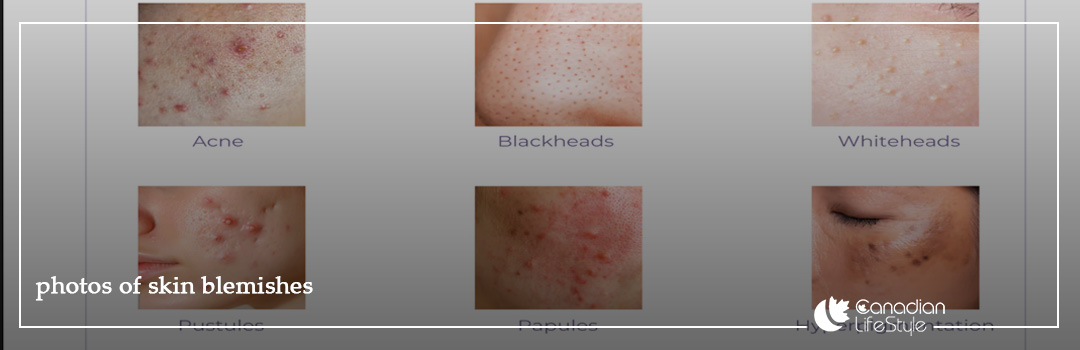
Photos of facial blemishes show the severity and type of blemishes, which is essential for treating facial blemishes. These photos were taken in natural light and an attempt was made to display the images without editing.
What cream removes blemishes?
A cream removes blemishes most effectively when it combines ingredients that both calm inflammation and promote skin renewal. For new or mild marks, formulations that regulate excess sebum and soothe redness help prevent blemishes from worsening, while gentle exfoliating agents gradually fade discolouration. For older or persistent spots, treatment of facial blemishes often involves activities that encourage controlled cell turnover, stimulate collagen formation, and lighten hyperpigmentation caused by post-inflammatory changes. Consistent application directly on affected areas, paired with moisturizers that support the skin barrier and daily broad-spectrum sun protection, ensures faster healing, reduces the risk of scarring, and helps maintain a clear, even complexion.
Reed more: Benefits of Vitamin E for Skin and Hair
the feature of the cream that removes blemishes
Feature of the Cream That Removes Blemishes:
- Soothes
- Fades
- and Repairs Skin
Conclusion
Effectively managing facial blemishes requires a combination of knowledge, consistency, and the right products. By understanding the types of skin blemishes, what causes blemishes on the face, and incorporating strategies for treating facial dark spots, you can address both new breakouts and stubborn pigmentation. Using targeted creams, cleansers, and spot treatments with proven active ingredients helps soothe inflammation, fade brown spots, and support healthy skin renewal. Whether you prefer natural approaches or specialized dermatological options, a well-informed routine ensures long-term clarity, strengthens the skin barrier, and restores an even, radiant complexion. With the right approach, achieving smooth, blemish-free skin is entirely within reach.