skin elastin - best products to increase skin elasticity
Elastin, a key protein in the skin, is responsible for its ability to stretch and return to its original shape. While we can't stop the natural aging process, there are effective ways to regain lost skin elasticity and boost elastin production through targeted skincare. In this article, we’ll explore how to improve skin elasticity using the best ingredients and products designed to support elastin production, including peptides, hyaluronic acid, and antioxidants. We'll also dive into symptoms of elastin deficiency, and how you can recognize if your skin is lacking this essential protein. Plus, we’ll discuss practical tips on how to protect and nourish your skin for better elasticity, and the importance of lifestyle habits like hydration and sun protection. Read on to discover how you can give your skin the care it needs to stay resilient, firm, and youthful.
best products suitable for increasing skin elastin
Increasing skin elastin can help improve your skin's firmness, elasticity, and youthful appearance. While elastin production naturally declines with age, certain skin products can boost the skin's ability to produce this essential protein. This point is included in vegan and cruelty free makeup to give you youthful and fresh skin. Here are some of the best products that are formulated to increase elastin and enhance skin resilience:
Retinoids (Retinol, Retinoid Serums) for increasing skin elastin
Retinoids, particularly retinol and retinoid-based products, stimulate collagen and increase skin elastin production by encouraging skin cell turnover. Look for products that contain retinol or retinoid complexes, which can boost elasticity over time.
Peptide-Based Creams and Serums for increasing skin elastin
Peptides, such as palmitoyl pentapeptide and copper peptides, are known for enhancing the skin's ability to produce elastin and collagen. These products work by repairing skin at a cellular level, increasing skin's firmness and elasticity.
Vitamin C Serums for increasing skin elastin
Vitamin C is a potent antioxidant that helps protect the skin from free radical damage and supports collagen and increasing skin elastin production. Using a vitamin C serum can brighten the skin while improving its firmness and texture.
Hyaluronic Acid Serums for increasing skin elastin
While hyaluronic acid doesn’t directly stimulate elastin, it deeply hydrates the skin and helps improve its overall appearance, making it more plump and resilient. Hydrated skin supports better elasticity, so hyaluronic acid is a great addition to an elastin-boosting routine.
Reed more: What is the skin microbiome
Growth Factor Serums for increasing skin elastin
Growth factors like EGF (Epidermal Growth Factor) can promote the production of increasing skin elastin and collagen by stimulating cell regeneration. Products with growth factors are especially beneficial for mature skin in need of support to boost its elasticity and reduce sagging.
Niacinamide (Vitamin B3) Creams and Serums for increasing skin elastin
Niacinamide helps strengthen the skin’s barrier and improve elasticity over time. It works by promoting the production of collagen and increasing skin elastin, while also improving overall skin texture and firmness.
Alpha-Hydroxy Acids (AHAs) for increasing skin elastin
AHAs, like glycolic acid, help to exfoliate the skin and increase collagen production. While not directly stimulating elastin, they help remove dead skin cells and allow for better absorption of elastin-promoting ingredients.
Sunscreen for increasing skin elastin
A high-SPF sunscreen is a must for protecting elastin and collagen from damage caused by UV rays. Sunscreen prevents the breakdown of elastin fibers in the skin, preserving firmness and elasticity.
Reed more: What Is Collagen
Use the right sunscreen to increase skin elastin.
Sunscreen
Collagen-Boosting Masks and Creams for increasing skin elastin
Products designed to boost collagen and elastin often contain ingredients like vitamin C, peptides, and hyaluronic acid. These masks and creams can be used regularly to maintain skin elasticity.
Exosome-Based Skincare for increasing skin elastin
Exosome technology in skincare is a newer development, but it’s known to help with elastin and collagen production. These products work by repairing skin at a deeper cellular level and promoting overall skin regeneration.
natural products suitable for increasing skin elastin
Natural products for increasing skin elastin are plant-based, free from animal testing, environmentally friendly, and formulated without industrial additives or harsh synthetics. These botanically derived ingredients support firmness and elasticity by nourishing the skin at its natural rhythm, rather than forcing rapid change with chemical accelerants. Because they come from sources they offer gentle yet effective support for elastin and collagen production while respecting both the skin’s barrier and the planet. By choosing clean, cruelty-free options made from organic plant extracts, you can improve elasticity, strengthen the skin structure, and maintain long-term radiance without compromising on sustainability or ethical standards.
Reed more: Benefits of Iron Supplements for Skin, Hair, and Nails
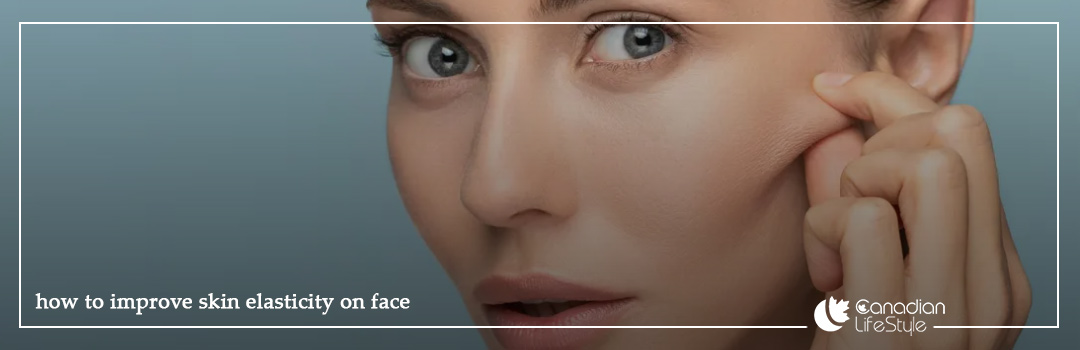
how to improve skin elasticity on face
Improving facial skin elasticity starts with a combination of nutrients, consistent habits, and protective skincare. Focus on elastin- and collagen-supporting activities like retinoids, peptides, niacinamide, vitamin C, and growth factors, which encourage skin to rebuild firmness over time. Moisturizers and humectants like hyaluronic acid, ceramides, and squalane help maintain suppleness and prevent skin from thinning or sagging, especially during seasonal dryness. Daily use of a broad-spectrum sunscreen is essential, as UV exposure is one of the fastest ways to break down elastin fibers and accelerate sagging skin. You can also perform gentle exfoliation—using AHA or enzyme-based products—to remove dull surface cells and improve the penetration of firming treatments.
Along with topical care, lifestyle choices are important for increasing skin elastin: include omega-3s, foods rich in vitamin C, and adequate hydration in your routine, and avoid smoking and excessive sun exposure, both of which directly weaken elastin. With stability, balanced hydration, and support for the protective layer, skin gradually regains firmness, vitality, and a smoother, more youthful appearance. Using the best anti wrinkle products helps increase skin elastin due to their specialized ingredients.
What skincare products boost elastin?
Products that increase skin elastin should include peptides, copper peptides, retinoids, vitamin C, growth factors, hyaluronic acid, glycerin, ceramides, collagen-supporting amino acids, AHAs, green tea extract, and pomegranate extract. These ingredients work together to support firming, improve elasticity, defend against environmental damage, and help the skin rebuild its natural structural proteins.
Reed more: Benefits of Vitamin E for Skin and Hair
How can I get more elastin in my skin?
To naturally support more elastin in your skin, focus on both targeted skincare ingredients and daily protective habits. Ingredients such as peptides, copper peptides, retinoids, vitamin C, growth factors, and antioxidant-rich botanicals help stimulate the skin’s ability to rebuild elastin fibres and strengthen its structural network over time. Maintaining consistent hydration with hyaluronic acid, glycerin, ceramides, and plant oils also helps keep the skin flexible and resilient, creating an ideal environment for elastin renewal. Just as important is daily sunscreen use, as UV rays are the number one cause of elastin breakdown, leading to sagging and premature lines. Supporting skin health from within—by including omega-3 fatty acids, vitamin C-rich foods, amino acids, and adequate water—further boosts natural elastic fibre production. When approached consistently with nourishing skincare and protective habits, the skin gradually regains firmness, bounce, and a smoother, lifted appearance.
Which product is best for skin elasticity?
Our products have been professionally tested in advanced dermatological laboratories, ensuring safe, verified, and measurable results for improving skin elasticity. Each formulation is designed with clinically supported ingredients known to strengthen the skin’s structural network, including peptides, copper peptides, vitamin C, growth factors, hyaluronic acid, ceramides, and antioxidant botanical extracts. Through controlled testing and expert analysis, our formulas have demonstrated their ability to support elastin renewal, enhance firmness, and improve overall skin resilience without irritation or compromise to the skin barrier.
Because our products are scientifically evaluated rather than simply claimed, you can rely on their performance to promote firmer, smoother, and more youthful-looking skin. Every ingredient is selected for its proven role in maintaining elasticity, protecting existing elastin fibres from environmental breakdown, and nourishing the skin so it can naturally rebuild strength and flexibility over time. With consistent use, you can confidently expect improvements in bounce, tightness, and skin texture, supported by laboratory-grade validation and professional testing standards.
Use appropriate skin care products to increase skin elastin.
Skin Care
Can you regain lost skin elasticity?
Yes, it is possible to regain some lost skin elasticity, though results depend on age, lifestyle, and the extent of elastin and collagen degradation. While natural aging and sun exposure reduce elastin over time, targeted skincare and healthy habits can support the skin’s ability to rebuild its structural proteins. Ingredients like peptides, copper peptides, retinoids, vitamin C, growth factors, and hyaluronic acid help stimulate elastin production, strengthen the skin barrier, and improve firmness and bounce.
In addition to topical care, protecting your skin from UV damage, staying well-hydrated, eating a nutrient-rich diet with vitamins C and E, and avoiding smoking all play essential roles in restoring elasticity. Although completely reversing elastin loss isn’t possible, consistent use of scientifically formulated products, combined with protective lifestyle habits, can significantly improve the skin’s resilience, texture, and youthful appearance over time.
Is elastin better than collagen?
Elastin and collagen are both essential proteins in the skin, but they serve different functions, so one isn’t strictly “better” than the other. Collagen provides structure and firmness, giving the skin its overall shape and helping prevent sagging. Elastin, on the other hand, provides elasticity and flexibility, allowing the skin to stretch and then return to its original form without damage.
For healthy, youthful skin, both proteins are equally important. Collagen ensures the skin stays plump and strong, while elastin maintains bounce and resilience. Skincare that supports both—through ingredients like peptides, vitamin C, hyaluronic acid, and growth factors—can help improve firmness, elasticity, and overall skin texture. Neglecting either protein can lead to visible aging signs, such as wrinkles, sagging, or loss of suppleness, so balanced support is key.
What are the symptoms of elastin deficiency?
Elastin is the protein responsible for the skin’s elasticity and ability to bounce back. When elastin levels decline—either due to aging, sun damage, smoking, or genetics—the skin can no longer stretch and recoil efficiently. Common symptoms of elastin deficiency include:
- Sagging Skin: Loss of firmness around the jawline, cheeks, and eyelids.
- Wrinkles and Fine Lines: Skin becomes less smooth, and folds or creases appear more prominently.
- Loss of Skin Resilience: Skin feels loose and doesn’t snap back when pinched or stretched.
- Thinning Skin: The surface may appear fragile, delicate, or paper-thin.
- Stretch Marks or Scarring: Reduced elasticity can make the skin more prone to marks or tears.
- Dull or Tired Appearance: Lack of bounce and firmness can make the skin look lifeless or aged.
Recognizing these signs early can help guide a skincare routine focused on boosting elastin production and protecting existing elastin fibers, using peptides, retinoids, antioxidants, and hydration-supporting ingredients.
What cream makes your skin more elastic?
A cream that can help make your skin more elastic is one that contains ingredients known to support the skin’s natural structure and flexibility. Look for peptides and copper peptides, which signal the skin to produce more elastin and collagen, and retinoids or gentle vitamin A derivatives, which encourage cell renewal. Vitamin C and antioxidants protect existing elastin fibers from damage and support regeneration, while hyaluronic acid, ceramides, and nourishing oils keep the skin hydrated and plump, creating an environment where elasticity can improve. Regular use of such a cream helps the skin regain firmness, bounce, and a smoother, more youthful appearance over time.
Does hyaluronic acid increase elastin?
While hyaluronic acid itself doesn't directly increase elastin production, it plays a vital role in creating an optimal environment for elastin to thrive. Hyaluronic acid is a powerful humectant, meaning it attracts and retains moisture in the skin. By keeping the skin well-hydrated, it helps to maintain its plumpness and flexibility, which in turn supports the function of elastin and collagen fibers.
Hydrated skin is more resilient and has better elasticity, so while hyaluronic acid doesn't stimulate elastin production on its own, it complements elastin-boosting ingredients (like peptides and retinoids) by ensuring the skin remains nourished and able to repair itself effectively. When combined with other ingredients that directly support elastin, such as vitamin C, peptides, and retinol, hyaluronic acid can enhance the overall effectiveness of your skincare routine in improving skin elasticity.
In conclusion, boosting skin elasticity is achievable with the right skincare ingredients, such as peptides, hyaluronic acid, and antioxidants, along with healthy lifestyle habits. While elastin naturally decreases with age, you can support its production and improve your skin’s firmness and resilience through consistent care. By incorporating these strategies into your routine, you can enjoy smoother, more youthful-looking skin. Remember, the right products and habits can make all the difference in restoring and maintaining your skin's natural elasticity.