Protecting your skin is no longer just about preventing a temporary sunburn; it is about preserving your cellular longevity. In an era where environmental stressors and UV intensity are at an all-time high, understanding the complex mechanics of the Sun Protection Factor (SPF) is essential for anyone committed to a professional skincare regimen. Whether you are navigating the city streets or trekking in high-altitude environments, your skin is under constant assault from high-energy ultraviolet radiation.
The primary function of an SPF-rated formula is to create a biological and physical barrier on the stratum corneum (the outermost layer of the epidermis). This barrier utilizes active pharmaceutical ingredients (APIs) to mitigate the destructive effects of short-wave ultraviolet radiation (290–320 nm). Without this protection, UVB rays penetrate the skin, leading to the formation of cyclobutane pyrimidine dimers (CPDs) in the cellular DNA, which are the primary precursors to basal cell carcinoma and squamous cell carcinoma.
The SPF number indicates the mathematical fraction of sunburn-producing UV rays that can reach the viable cells of the skin. To visualize how various SPF levels filter high-energy photons, refer to the comprehensive data table below:
To meet these rigorous dermatological requirements, our collection features premium formulations that represent the pinnacle of Canadian skincare science. Each product is meticulously engineered to provide a weightless, invisible barrier that offers maximum defense without compromising the skin's respiratory or sebaceous functions. By adhering to the strictest international safety and efficacy protocols, Canadian Lifestyle sunscreens deliver an unparalleled blend of broad-spectrum filtration and skin-nourishing antioxidants. Our commitment to high-stability, non-irritating ingredients ensures that you are utilizing the finest facial protection available—specifically designed to prevent photoaging while maintaining a flawless, healthy complexion under the most demanding environmental conditions. To maintain this standard of care, finding a reliable online beauty store with global shipping ensures that you have access to these high-performance formulas regardless of your location.
Deflects harmful rays, maintains balance, shields from pollution, and has a crisp citrus scent
Deflects harmful rays, hydrates parched skin, shields from pollution, and has a crisp citrus scent
Blocks blue light, prevents premature aging, protects from infrared, and leaves a shine-free finish
The importance of facial-specific formulas
The architectural complexity of facial skin necessitates a departure from standard body-use formulations. Facial skin possesses a significantly higher concentration of sebaceous glands and a more delicate lipid barrier, making it prone to conditions like seborrheic dermatitis or acne vulgaris when subjected to heavy, occlusive ingredients. For those struggling with breakouts, implementing a specialized Acne Skin Routine is essential to maintain clarity while staying protected.
A dedicated facial SPF is engineered with a focus on
biocompatibility and
galenic elegance.
These formulas prioritize non-comedogenic esters and lightweight emollient bases that prevent the blockage of follicular openings. Furthermore, facial-specific products often undergo ophthalmological validation to ensure the chemical or mineral filters do not cause conjunctival irritation or stinging in the periocular region—a common side effect of generic sunscreens that lack "stay-put" technology. By utilizing volatile carriers and film-forming polymers, these products provide a stable, breathable shield that adheres to the uneven contours of the face, ensuring uniform coverage over areas like the nasolabial folds and the orbital rim.
Daily application for long-term skin health
The cumulative effect of daily, low-dose UV exposure is the primary driver of extrinsic aging, accounting for nearly 80% of visible facial changes. Consistent daily application of SPF is a preventative medical intervention against solar elastosis—the pathological accumulation of abnormal elastin in the dermis. When SPF is applied every morning, it acts as a sacrificial barrier that neutralizes Reactive Oxygen Species (ROS) before they can initiate the MMP (Matrix Metalloproteinase) enzymes that degrade the skin's structural collagen scaffold.
Beyond aesthetic concerns, daily facial protection is vital for the prevention of actinic keratosis, a pre-cancerous lesion common on high-exposure areas like the forehead and nose. Modern dermatological guidelines emphasize that "incidental exposure"—such as light entering through windows or during a short commute—is sufficient to trigger melanogenesis, leading to post-inflammatory hyperpigmentation (PIH) and melasma. By maintaining a consistent protective layer, you preserve the genomic integrity of your keratinocytes, ensuring that the skin's natural regenerative cycles remain unimpeded by UV-induced DNA damage.
The Intersection of Photoprotection and Anti-Aging
The face is the primary site for extrinsic skin aging, also known as photoaging. Today’s consumers are increasingly looking for Affordable Luxury Skincare that combines high-end anti-aging efficacy with accessible pricing to combat these environmental stressors. While generic sunscreens focus primarily on preventing acute burns, a dedicated facial SPF acts as a comprehensive daily shield against solar elastosis—the breakdown of collagen and elastin fibers. By incorporating DNA repair enzymes and antioxidants (such as Ferulic Acid or Tocopherol), these products neutralize the Reactive Oxygen Species (ROS) generated by both UV rays and HEV light (Blue Light), which are known to cause hyperpigmentation and melasma.
Advanced Formulation Technologies for Facial Skin
To maximize user compliance, which is the most critical factor in effective sun protection, facial SPF products utilize several advanced delivery systems:
- Micro-encapsulation: This technology encapsulates active filters to prevent direct contact with the skin, reducing the risk of irritation for those with rosacea or sensitive complexions.
- Sebum-Regulating Agents: Many facial sunscreens incorporate zinc gluconate or silica micro-spheres to provide a matte finish, specifically targeting users with oily or combination skin types.
- Biocompatible Vehicles: These formulas are designed to be "breathable," utilizing volatile silicones or water-based emulsions that provide an invisible finish (no white cast), making them suitable for all Fitzpatrick scales and seamless for use under decorative cosmetics. For a complete ethical routine, we recommend pairing these sunscreens with Vegan and Cruelty-Free Makeup to ensure both skin health and environmental responsibility.
- Periocular Optimization: Facial sunscreens undergo rigorous ophthalmological testing to ensure that the ingredients do not migrate into the eyes, a common cause of lacrimation and chemical stinging associated with standard body sunscreens.
which spf is best
Determining which spf is best is a nuanced process that transcends simply picking the highest number on the shelf. In clinical dermatology, the "ideal" SPF is a variable determined by the intersection of a person's biotype, their geographical location, and the specific spectral output of the sun at the time of exposure. While the American Academy of Dermatology recommends a minimum of SPF 30, the optimal choice must account for the fact that most consumers apply only 25% to 50% of the required amount of product. Therefore, choosing a higher SPF often serves as a "safety buffer" to compensate for inadequate application thickness.
Choosing the right level for your skin type
The best SPF is one that complements the inherent biological defenses of your epidermis. Skin sensitivity to UV radiation is categorized by the Fitzpatrick Phototype Scale, which dictates the threshold for Minimum Erythemal Dose (MED). Before selecting a filter, you must answer: What Is My Skin Type ? How to Identify It Accurately to ensure your sun care matches your biological needs.
- Type I & II (Very Fair to Fair): These individuals possess a high concentration of pheomelanin (red/yellow pigment), which is chemically unstable under UV light and can actually promote the formation of free radicals. For this group, the best SPF is 50 or higher, as their skin lacks the protective eumelanin (brown/black pigment) necessary to absorb UV photons naturally. For such delicate complexions, it is vital to source the Best cosmetics for sensitive skin that are free from common irritants and synthetic fragrances.
- Type III & IV (Medium to Olive): These skin types have a moderate natural defense but are highly susceptible to secondary hyperpigmentation. The best SPF here is a Broad-Spectrum SPF 30 to 50 that explicitly protects against UVA1 (long-wave) radiation to prevent the darkening of existing pigment spots.
- Type V & VI (Deeply Pigmented): While the risk of cutaneous squamous cell carcinoma is statistically lower, these types are prone to dyschromia and melasma. The best SPF for deep skin tones is a mineral-based or tinted formula containing Iron Oxides. Iron oxides are critical because they provide a barrier against visible light (400-700nm), which is a major trigger for pigmentation in darker skin that standard SPF filters might miss.
How lifestyle and exposure dictate your choice
The efficacy of your sun protection is constantly challenged by environmental variables. To decide which SPF is best, one must analyze the UV Index (UVI) of their environment:
- Incidental Exposure (The Office Worker): If your day consists of a commute and sitting near windows, SPF 30 is the gold standard. It is important to remember that standard glass filters out UVB, but UVA (the aging rays) can penetrate through, leading to asymmetrical photoaging (often seen on the side of the face facing a window or car door) To counteract these effects, a consistent The ultimate winter skincare routine should be maintained even during colder months when UVA rays remain strong..
- Extreme Environments (The Athlete or Traveler): In environments with high albedo (reflectivity)—such as near water, white sand, or snow—the skin is hit by UV rays from multiple angles. Snow can reflect up to 80% of UV radiation, nearly doubling your exposure. In these cases, SPF 50+ with high photostability is the only way to ensure the molecular filters do not degrade under intense thermal stress.
- The Formulation Factor: Beyond the number, the "best" SPF must match your daily activity. For high-humidity environments or aerobic exercise, a water-resistant (80 minutes) rating is superior, as it utilizes acrylates/octylacrylamide copolymers to create a hydrophobic film that prevents the sunscreen from being emulsified by sweat and running into the eyes.
The Role of Broad-Spectrum Validation
A high SPF number alone does not guarantee total protection. The best SPF must be labeled "Broad Spectrum," meaning the Critical Wavelength of the product is at least 370nm. This ensures that the protection curve covers both the burning UVB and the deeply penetrating UVA rays that cause dermal remodeling and long-term DNA damage.
what is spf 50 in sunscreen
SPF 50 in sunscreen represents a high-tier threshold of photoprotection, clinically designed to allow only 1/50th of ambient UVB radiation to reach the skin's surface. In terms of energy physics, this means the product is formulated to withstand 50 times the amount of solar energy that would normally cause a Minimum Erythemal Dose (MED) on unprotected skin. While many consumers perceive the jump from SPF 30 to SPF 50 as a nearly double increase in protection, it is actually a refinement of the filtration curve, aimed at significantly reducing the cumulative photon load that triggers direct DNA damage in the keratinocytes.
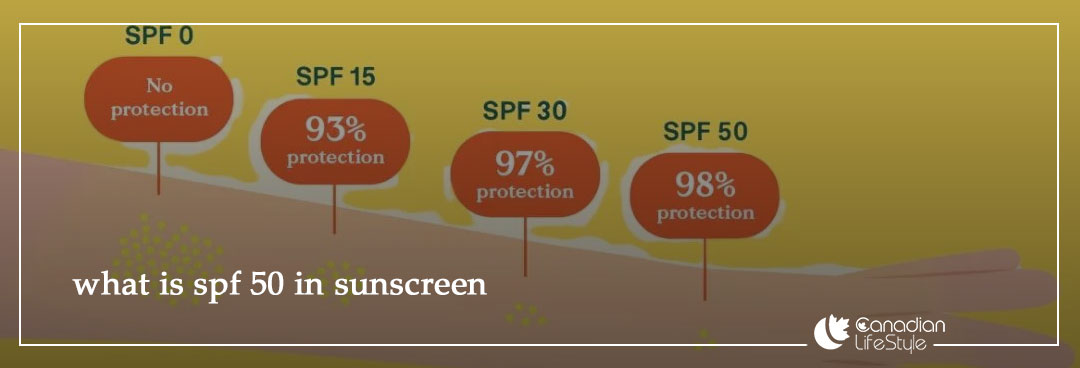
The percentage of UVB rays blocked by SPF 50
To understand the efficacy of SPF 50, we must look at the logarithmic scale of UV filtration. An SPF 50 sunscreen is clinically proven to block approximately 98% of UVB rays. While the difference between SPF 30 (which blocks 97%) and SPF 50 (98%) appears to be a mere 1%, the clinical significance lies in the transmission rate.
By upgrading to SPF 50, you are reducing the number of photons hitting your skin from 3% (with SPF 30) down to 2%. This effectively results in a 33% reduction in UV penetration compared to SPF 30. For individuals with photosensitivity disorders, a history of actinic keratosis, or those using photosensitizing medications (like Retinoids or certain antibiotics), this reduction in the "leakage" of UV radiation is vital for preventing the inflammatory cascade that leads to erythema and photocarcinogenesis.
Is it enough for extreme sun exposure?
In scenarios of extreme sun exposure—such as high-altitude trekking, tropical maritime activities, or prolonged outdoor labor—SPF 50 is generally considered the baseline for safety, but its "sufficiency" depends on photostability and application density. At high altitudes, the atmosphere is thinner, and for every 1,000 feet of elevation, UV intensity increases by roughly 4%. Under these conditions, the 98% filtration provided by SPF 50 is essential to prevent rapid epidermal burning.
However, for extreme exposure, "enough" protection also requires the formula to be water-resistant and rub-resistant. In high-heat environments, perspiration can lead to "patchy" protection. Therefore, while SPF 50 provides a robust shield, it must be supported by re-application every 80 to 120 minutes to account for the chemical degradation of filters like Avobenzone or the physical displacement of mineral oxides. For maximum safety in extreme conditions, SPF 50 should ideally be paired with mechanical barriers like UPF-rated clothing.
spf 50 pa++++ means
When a product is labeled with spf 50 pa++++, it indicates a dual-shield approach that covers both the UVB and UVA spectra. While SPF measures protection against burning (UVB), the PA system (Protection Grade of UVA) is based on the Persistent Pigment Darkening (PPD) method. This system, originally developed in Japan, measures how much UVA radiation a person can withstand before their skin starts to tan or darken. The PA++++ rating is currently the highest achievable grade in this system, signifying an extremely high level of protection against the rays responsible for dermal remodeling and long-term aging.
Decoding the PA rating system for UVA protection
The PA system translates PPD (Persistent Pigment Darkening) values into a user-friendly '+' scale. Understanding what spf 50 pa++++ means requires a breakdown of the PPD factors:
- PA+: PPD between 2 and 4 (Light UVA protection)
- PA++: PPD between 4 and 8 (Moderate UVA protection)
- PA+++: PPD between 8 and 16 (High UVA protection)
- PA++++: PPD of 16 or higher (Extremely High UVA protection)
A rating of PA++++ means that the skin can withstand at least 16 times more UVA radiation than unprotected skin before showing signs of pigmentation. This is critical because UVA1 (340–400 nm) rays make up 95% of the UV radiation reaching the Earth's surface and are present with consistent intensity throughout the year, regardless of cloud cover or season. High UVA protection is also a cornerstone of Methods of treating premature aging of the skin and face , as it prevents the breakdown of structural proteins.
Why PA++++ offers the highest level of defense
The PA++++ designation is the gold standard for preventing photoaging and invisible skin damage. Unlike UVB rays, which primarily affect the epidermis, UVA rays penetrate deep into the dermis, where they destroy type I collagen and elastin fibers through the induction of oxidative stress.
By utilizing a PA++++ rated sunscreen, you are effectively neutralizing the primary cause of:
- Solar Elastosis: The yellowing and thickening of the skin due to damaged elastic tissue.
- Structural Wrinkling: The collapse of the dermal matrix.
- Tanning and Melasma: UVA is the chief trigger for the oxidation of existing melanin and the stimulation of melanocytes to produce new pigment.
For anyone concerned with longevity science and skin health, a product that combines SPF 50 (to stop the burn) with PA++++ (to stop the aging) provides the most scientifically complete defense against the full solar spectrum.
what is spf 60 in sunscreen
SPF 60 in sunscreen represents an ultra-high level of photoprotection that sits at the upper echelon of the Sun Protection Factor scale. Clinically speaking, an SPF 60 rating implies that the product is formulated to allow only 1/60th (approximately 1.6%) of cumulative UVB radiation to penetrate the skin barrier. This means that, under idealized laboratory conditions, a person wearing SPF 60 can withstand 60 times more solar energy before reaching their Minimum Erythemal Dose (MED) compared to someone with no protection.
While many regulatory bodies, such as the FDA, have historically suggested capping the labeled SPF at "50+" to avoid a false sense of security, the existence of SPF 60 serves a vital purpose in preventative dermatology. It is engineered using a high concentration of photostable filters—often a synergistic blend of organic (chemical) and inorganic (mineral) compounds—to provide a robust defense against the high-energy photons that induce pyrimidine dimers and other forms of genotoxic stress in human skin cells.
The difference between SPF 50 and SPF 60
To the casual observer, the numerical difference between SPF 50 and SPF 60 seems negligible, but when analyzed through the lens of photon transmission, the distinction becomes clear.
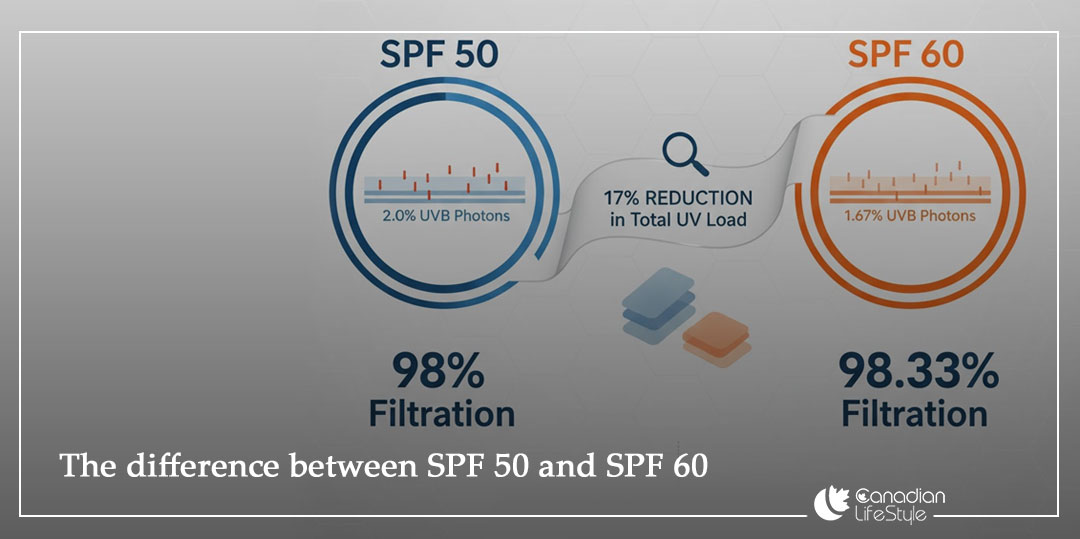
- Filtration Efficiency: An SPF 50 sunscreen filters out approximately 0% of UVB rays, allowing 2.0% of photons to reach the epidermis. In contrast, an SPF 60 sunscreen filters out roughly 98.33% of UVB rays, leaving only 1.67% of photons to penetrate.
- The "Safety Buffer" Concept: While a 0.33% increase in blockage may seem minor, it actually represents nearly a 17% reduction in the total UV load hitting the skin compared to SPF 50. This "safety margin" is critical because, in real-world scenarios, most users apply significantly less than the required 2mg/cm². A higher starting SPF like 60 ensures that even with a thin or uneven application, the resulting "real-world" protection remains well above the dangerous threshold of sub-erythemal damage.
- Formulation Stability: Achieving an SPF 60 rating requires a more complex molecular matrix. Manufacturers must balance a higher "active load" of filters while maintaining a non-greasy rheology. This often results in SPF 60 products having superior film-forming technology, which helps the sunscreen adhere better to the stratum corneum during perspiration or movement.
When should you opt for ultra-high protection?
Choosing SPF 60 is not always necessary for a short walk to the office, but there are specific clinical and environmental conditions where ultra-high protection is the recommended medical standard:
- Photosensitivity and Medical Conditions: Individuals suffering from Polymorphous Light Eruption (PMLE), Lupus Erythematosus, or Solar Urticaria require the maximum possible ceiling of protection. For these patients, even a 1% leakage of UV photons can trigger an inflammatory flare-up.
- Post-Procedure Recovery: Following dermatological treatments such as CO2 fractional laser resurfacing, chemical peels, or microneedling, the skin’s natural barrier is temporarily compromised. During this "re-epithelialization" phase, the skin is hypersensitive to UV-induced erythema and post-inflammatory hyperpigmentation (PIH). Using the best treatment for blemishes on face in conjunction with SPF 60 can significantly accelerate the healing of these dark spots.
- High-Albedo Environments: In environments with extreme reflectivity—such as glacier skiing or high-altitude sailing—the skin is subjected to "double exposure" from both direct sunlight and reflected UV from snow or water. Since UV intensity increases by approximately 10% for every 1000 meters of altitude, the superior filtration of SPF 60 becomes a necessity rather than a luxury.
- History of Skin Malignancy: For survivors of melanoma or non-melanoma skin cancers (NMSC), preventing any further cumulative DNA mutation is paramount. SPF 60 offers the most rigorous daily defense against the photocarcinogenic pathway, ensuring that the total "UV budget" of the skin remains as low as possible throughout the year.
spf 30 sunscreen means
In the hierarchy of photoprotection, spf 30 sunscreen means a product has reached the clinical benchmark for "High Protection" as defined by international regulatory standards like the ISO 24444. A rating of SPF 30 indicates that the formula is capable of filtering out 97% of incident UVB radiation. From a biophysical perspective, it extends the skin's natural defense mechanism by a factor of 30, meaning it would take 30 times more solar energy to produce the same degree of erythema (redness) on protected skin as it would on bare skin.
For the majority of the global population, SPF 30 is the "sweet spot" where high-level photoprotective efficacy meets galenic comfort. Most dermatologists consider it the minimum baseline for preventing keratinocyte damage and maintaining dermal integrity. It provides a robust enough barrier to prevent the formation of thymine dimers—the DNA lesions caused by UV light—while typically maintaining a texture that allows for proper skin respiration and seamless integration into a daily skincare routine.
The standard for everyday protection
SPF 30 is widely regarded as the dermatological standard for everyday protection, particularly for incidental exposure. This refers to the cumulative UV doses we receive during a commute, while running errands, or sitting near office windows.
- The Balance of Ingredients: Unlike ultra-high SPF formulas that require a dense concentration of active filters, SPF 30 can be achieved with a more elegant balance of mineral (Zinc Oxide/Titanium Dioxide) or organic (chemical) This makes it an ideal choice for individuals with acne-prone skin or sensitive complexions, as it minimizes the risk of contact dermatitis or heavy occlusion of the pores. For added hydration without weight, we recommend Introducing Toners for Sensitive Skin before applying your daily SPF 30.
- Broad-Spectrum Synergy: When a product is labeled as SPF 30, it is often paired with a high Critical Wavelength, ensuring that it doesn't just stop the burn (UVB) but also mitigates the oxidative stress caused by UVA rays. For the average person not spending prolonged hours in intense direct sunlight, this level of protection is sufficient to prevent the onset of solar lentigines (age spots) and the gradual loss of collagen density.
How many hours does SPF 30 actually last?
One of the most persistent myths in skincare is that SPF 30 provides a fixed "time-release" of protection (e.g., 300 minutes if you burn in 10). In reality, the answer to how many hours does SPF 30 actually last is not a fixed number, but a variable dictated by photostability, environmental friction, and biological degradation.
- The Two-Hour Clinical Rule: Regardless of the SPF number, the FDA and European Commission guidelines state that sunscreen should be reapplied every two hours. This isn't necessarily because the filters "disappear," but because the protective film on the skin's surface becomes compromised. Our skin is a living organ that breathes, sweats, and produces sebum; these natural processes eventually "break" the uniform layer of the sunscreen, creating microscopic gaps where UV rays can leak through.
- Photodegradation of Filters: Certain chemical filters, such as Avobenzone, are inherently unstable when hit by photons. Even with SPF 30, if the formula isn't properly stabilized with octocrylene or bis-ethylhexyloxyphenol methoxyphenyl triazine, the UV-absorbing capacity of the product can diminish significantly within 90 to 120 minutes of direct exposure.
- Mechanical and Environmental Factors: The longevity of SPF 30 is also reduced by physical factors like transpiration (sweating), rubbing against clothing, or even the natural movement of facial muscles. For those using SPF 30 in an office setting with minimal sweating, the film remains intact longer than for someone walking outdoors. However, for active use, the "SPF 30" rating only remains valid as long as the homogenous layer is maintained on the stratum corneum.
- The Impact of Sub-Optimal Application: If you apply only half of the recommended 2mg/cm², your SPF 30 doesn't last for "fewer hours"—it actually functions as a lower SPF (often as low as SPF 5.5 to 8) from the moment of application. Therefore, the "lasting power" is heavily dependent on the initial dosage and distribution of the product.
spf vs sunscreen
Understanding the distinction between spf vs sunscreen is fundamental to mastering the science of photoprotection. While the terms are often used interchangeably in casual conversation, they represent two entirely different concepts: one is a standardized measurement of performance, and the other is the physical delivery vehicle of active pharmaceutical ingredients. To conflate the two is to overlook the complex chemistry required to safeguard human tissue from the full spectrum of solar radiation.
Distinguishing the measurement from the product
Sunscreen refers to the actual topical formulation—a complex emulsion of solvents, emollients, stabilizers, and active filters designed to reside on the skin's surface. It is the tangible substance (whether a lotion, gel, spray, or stick) that interacts with the skin’s physiology.
On the other hand, SPF (Sun Protection Factor) is a dimensionless numerical value that exists purely as a metric of laboratory performance. It is a laboratory-derived ratio that quantifies a product's ability to delay UVB-induced DNA damage.
- The Sunscreen: Provides the physical barrier and skin-conditioning benefits.
- The SPF: Measures the "work" the sunscreen does against a specific wavelength of light (290–320 nm). The crucial takeaway here is that you can have a "sunscreen" with zero SPF (no active filters), but you cannot have "SPF" without a delivery vehicle (the sunscreen) to house those filters and ensure their bio-adhesion to the stratum corneum.
Why the SPF rating is only one part of the formula
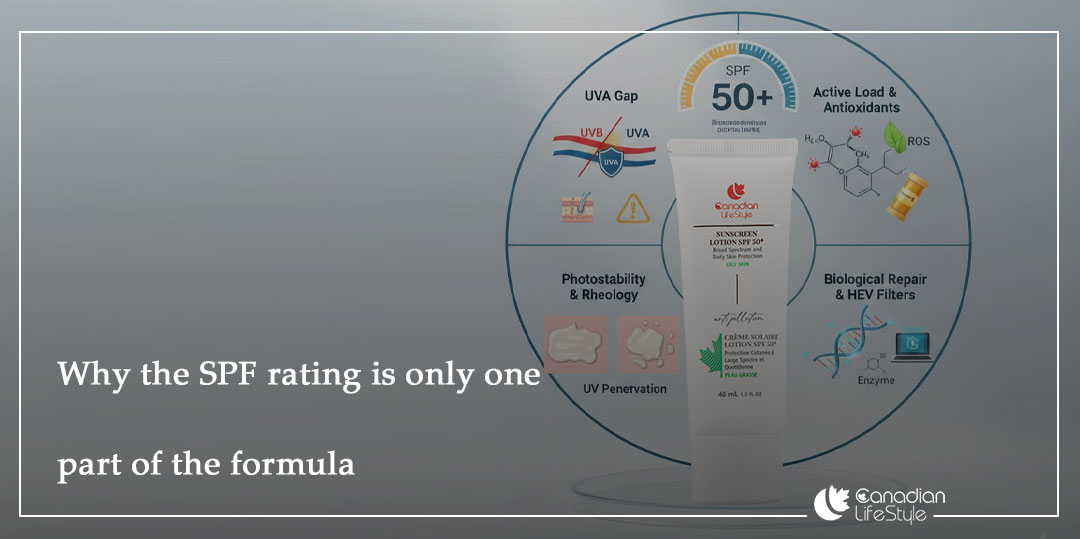
In modern dermatology, the mantra is that "the best sunscreen is more than just its SPF." Relying solely on a high SPF number provides a narrow and potentially dangerous view of skin safety. The SPF rating is only one component of a much larger protective equation for several critical reasons:
- The UVA Gap: SPF primarily measures protection against UVB rays (the burning rays). However, a product can have a high SPF while offering negligible protection against UVA radiation (320–400 nm), which penetrates deeper into the reticular dermis. Without Broad-Spectrum validation and a high Critical Wavelength, a high-SPF sunscreen may leave the skin vulnerable to collagen fragmentation and photo-carcinogenesis triggered by UVA, despite never turning red or burning.
- The "Active Load" and Skin Health: A high SPF requires a higher concentration of active chemical filters (such as Oxybenzone or Octisalate). While these are effective at absorbing photons, a well-engineered sunscreen formula must also include anti-inflammatory agents and antioxidants (like Vitamin E or Green Tea extract) to neutralize the Reactive Oxygen Species (ROS) that are generated when those filters interact with UV light.
- Photostability and Rheology: The SPF number tells you how the product performs in the first few minutes after application. However, the longevity of that protection depends on the "sunscreen" part of the formula—specifically its photostability (how well the filters resist breaking down) and its rheological properties (how the cream spreads and stays in a uniform, microscopic film). If the sunscreen's vehicle is poorly formulated, the SPF rating becomes irrelevant as the product migrates, evaporates, or clumps into "islands" on the skin, leaving gaps for UV penetration.
- Biological Repair Ingredients: Advanced modern sunscreens now incorporate DNA repair enzymes (such as Photolyase or Endonuclease) and HEV (High-Energy Visible) light filters. These components do not increase the SPF number, but they are vital for repairing existing sub-clinical damage and protecting against the "Blue Light" emitted by both the sun and digital screens, which can exacerbate melasma and dyschromia.
In conclusion, while SPF serves as a vital guide for UVB filtration, the sunscreen's overall formulation—its broad-spectrum coverage, photostability, and inclusion of biological antioxidants—is what truly determines its efficacy in preventing the complex processes of extrinsic aging and skin cancer.
Conclusion: Elevating Your Photoprotection Strategy
Selecting the right sun protection factor is the most significant investment you can make in your long-term health and aesthetic appearance. As we have explored, the difference between a standard product and a high-performance SPF 50 or 60 formula lies in the details: the molecular stability, the UVA filtration curve, and the biocompatibility with your specific skin type. By integrating a broad-spectrum, non-comedogenic sunscreen into your daily routine, you are not merely applying a cream; you are deploying a sophisticated biological shield against extrinsic aging and oxidative stress.
Don't leave your skin's integrity to chance. Effective sun defense requires consistency, the correct application dosage, and a formula that respects the unique physiology of your face. Now that you are equipped with the clinical knowledge of how SPF works and which levels offer the best defense for your lifestyle, it’s time to choose a protector that works as hard as you do.