Premature aging of the skin, often referred to as early skin senescence, is a complex biological process that occurs when the skin’s natural regenerative capacity declines sooner than expected. Unlike chronological aging, which progresses gradually over decades, premature aging can appear in individuals as early as their 20s or 30s, depending on genetic, hormonal, and environmental factors. Cellular changes such as DNA damage, telomere shortening, oxidative stress, and mitochondrial dysfunction trigger the accumulation of senescent cells, which disrupt the extracellular matrix and reduce collagen and elastin synthesis. This molecular cascade manifests visibly as fine lines, loss of elasticity, uneven pigmentation, and dull skin texture, signaling that the skin’s resilience is being compromised.
What is skin senescence?
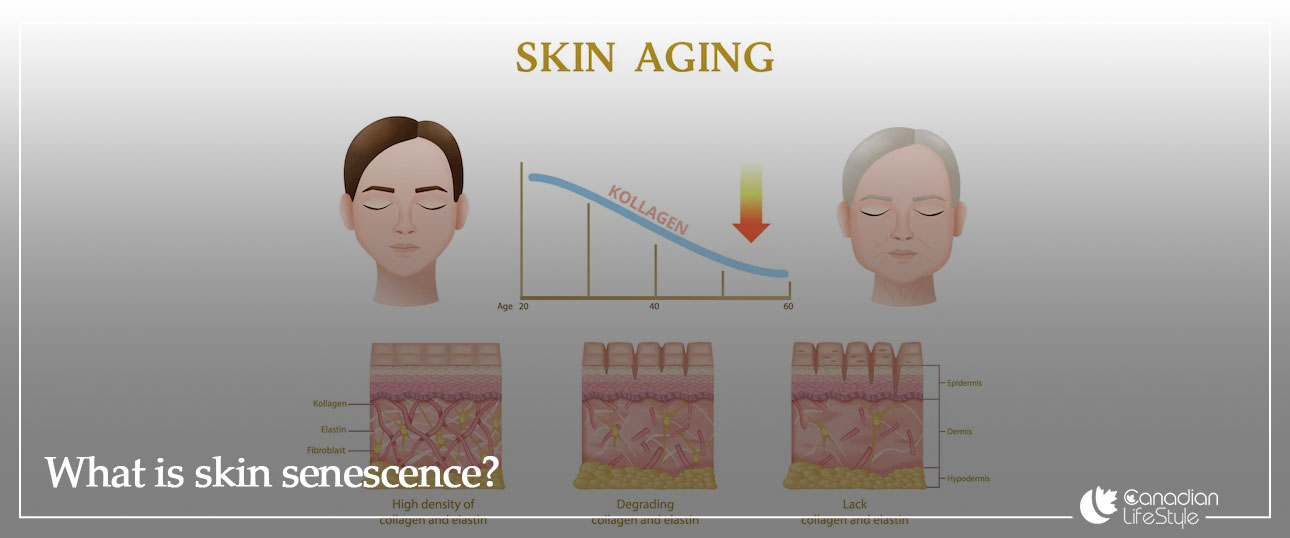
Skin senescence is a complex biological process characterized by the gradual decline in cellular function and regenerative capacity within the dermis and epidermis. It involves the accumulation of senescent cells—cells that have permanently exited the cell cycle due to repeated replication, DNA damage, oxidative stress, or telomere shortening. These senescent cells secrete a variety of pro-inflammatory cytokines, proteases, and growth factors collectively known as the senescence-associated secretory phenotype (SASP), which can disrupt the extracellular matrix, reduce collagen synthesis, and impair tissue homeostasis. Understanding this process is crucial in dermatological science, as it provides insight into age-related dermal thinning, loss of elasticity, and the formation of fine lines and wrinkles.
At the molecular level, skin senescence is influenced by both intrinsic factors, such as genetic predisposition and mitochondrial dysfunction, and extrinsic factors, including UV radiation, pollution, and chronic inflammation. Key biomarkers such as p16^INK4a^, β-galactosidase activity, and telomere attrition are used to identify senescent cells in clinical research. Targeting these pathways through antioxidants, senolytic compounds, and DNA repair mechanisms has become an emerging strategy to mitigate early skin senescence, enhance tissue repair, and maintain youthful skin architecture. To support this architecture daily, sourcing high-potency formulas from a reputable online beauty store with global shipping ensures you have access to the latest dermatological innovations. This intersection of cellular biology and dermatology underscores the importance of proactive skin care and scientific interventions to delay the onset of visible and molecular signs of aging.
What is the difference between early and late senescence?
The difference between early and late senescence lies primarily in the timing, triggers, and cellular consequences of the aging process. Early senescence, often referred to as premature or accelerated skin aging, occurs due to environmental stressors such as UV exposure, pollution, oxidative stress, or chronic inflammation, which induce DNA damage, telomere shortening, and mitochondrial dysfunction at a younger chronological age. In contrast, late senescence is a natural, age-related process driven by intrinsic factors like cumulative cellular replication, progressive telomere erosion, and gradual decline in stem cell activity. While early senescence manifests as fine lines, loss of elasticity, and pigmentation irregularities prematurely, late senescence typically presents as deeper wrinkles, dermal thinning, and reduced wound healing over decades.
From a molecular perspective, both early and late senescence share mechanisms such as activation of p16^INK4a^, p21 pathways, and the secretion of pro-inflammatory factors collectively known as the senescence-associated secretory phenotype (SASP). However, the intensity and onset of these signals differ: early senescence shows a rapid accumulation of senescent cells in response to acute stress, whereas late senescence represents a gradual buildup due to cumulative cellular damage. Recognizing this distinction is crucial for designing targeted dermatological interventions, including antioxidant therapies, DNA repair strategies, and lifestyle modifications, all aimed at slowing early skin senescence while supporting the natural resilience of aging skin. For those seeking botanical-based resilience, the Best organic beauty products online offer a synergy of nature and science to combat early oxidative damage.
At what age does skin aging begin?
Skin aging begins subtly in the mid-20s to early 30s, although the onset and progression vary depending on genetic predisposition, lifestyle, and environmental exposures. At this stage, intrinsic aging processes, such as gradual collagen degradation, reduced elastin production, and slower cellular turnover, start to manifest at the molecular level. Early markers include diminished skin hydration, minor loss of firmness, and subtle fine lines around high-movement areas like the eyes and mouth. While these changes are often invisible initially, they represent the cellular foundation for both early and late skin senescence.
Extrinsic factors, including ultraviolet (UV) radiation, smoking, chronic stress, and pollution, can accelerate the onset of visible aging signs, causing premature skin senescence even in individuals in their 20s. Molecularly, oxidative stress, DNA damage, and mitochondrial dysfunction trigger the activation of senescence pathways such as p16^INK4a^ and p53, leading to the accumulation of senescent cells in the dermis and epidermis. Early intervention with sun protection, antioxidants, and lifestyle modifications can mitigate these effects, delay the progression of early skin senescence, and maintain healthier skin architecture over time.
Starting a preventative routine early with an eco friendly cosmetics store allows you to protect your skin while choosing sustainable, toxin-free options.
the cause of early skin senescence in women
The cause of early skin senescence in women Early skin senescence in women is influenced by a combination of intrinsic hormonal changes, genetic predisposition, and environmental stressors that accelerate cellular aging processes. A primary intrinsic factor is the decline in estrogen levels, which begins in the late 20s and intensifies during perimenopause. Estrogen plays a critical role in maintaining dermal thickness, collagen synthesis, and skin hydration, so its reduction leads to decreased fibroblast activity, weakened extracellular matrix, and increased susceptibility to oxidative stress. Genetic factors, such as variations in genes regulating DNA repair, antioxidant defense, and telomere maintenance, can further predispose some women to accelerated skin aging.
Extrinsic factors significantly contribute to early skin senescence in women, including chronic ultraviolet (UV) exposure, pollution, smoking, and repeated inflammatory insults to the skin. These stressors induce DNA damage, mitochondrial dysfunction, and the accumulation of senescent cells that secrete pro-inflammatory and matrix-degrading molecules, collectively known as the senescence-associated secretory phenotype (SASP). Lifestyle choices, such as inadequate sleep, poor nutrition, and high stress levels, also exacerbate these cellular changes. Understanding these causes allows for targeted interventions—like antioxidant-rich skincare, hormone-supportive therapies, and lifestyle optimization—that slow early skin senescence and help preserve skin structure and youthful appearance.
Many women find that incorporating clean beauty products shop selections into their routine helps avoid endocrine disruptors that can further affect hormonal skin health.
cause of early skin senescence in men
Cause of early skin senescence in men Early skin senescence in men is primarily driven by a combination of intrinsic hormonal changes, genetic predisposition, and environmental stressors that accelerate cellular aging. Testosterone, the key male sex hormone, gradually declines with age, affecting collagen production, skin thickness, and sebum regulation. Reduced collagen synthesis weakens the dermal extracellular matrix, decreasing elasticity and resilience, while impaired antioxidant defenses make skin more susceptible to oxidative stress. Genetic factors, including variations in DNA repair mechanisms and telomere maintenance, further predispose certain men to accelerated aging at the cellular level.
Extrinsic contributors also play a significant role in early skin senescence in men. Chronic ultraviolet (UV) exposure, smoking, environmental pollution, and repeated inflammatory insults trigger DNA damage, mitochondrial dysfunction, and the accumulation of senescent cells. These cells release the senescence-associated secretory phenotype (SASP), a collection of pro-inflammatory cytokines and matrix-degrading enzymes that accelerate dermal breakdown and reduce regenerative capacity. Lifestyle factors, such as high-stress occupations, poor nutrition, and insufficient sleep, exacerbate these effects, making preventive measures—including sun protection, antioxidant-rich skincare, and lifestyle optimization—critical for slowing early skin senescence and preserving skin integrity in men.
cause of early skin senescence in children
Cause of early skin senescence in children Early skin senescence in children, although rare, can occur due to genetic disorders, environmental exposures, and certain medical conditions that disrupt normal cellular function. Genetic syndromes such as progeria (Hutchinson-Gilford Progeria Syndrome) and Werner syndrome accelerate telomere shortening and impair DNA repair mechanisms, leading to premature cellular aging. At the cellular level, these conditions trigger DNA damage responses, mitochondrial dysfunction, and increased oxidative stress, causing early accumulation of senescent cells even in very young skin.
Environmental and lifestyle factors can also contribute, though to a lesser extent than genetic causes. Chronic exposure to ultraviolet (UV) radiation, pollution, or secondhand smoke can induce oxidative stress and DNA damage, which promotes premature activation of senescence pathways in dermal fibroblasts and keratinocytes. Additionally, nutritional deficiencies, chronic inflammation, and certain metabolic disorders may exacerbate early skin senescence by reducing collagen synthesis and antioxidant defenses. Recognizing these causes is essential for early intervention through protective skincare, antioxidant supplementation, and medical management in children at risk, helping to preserve skin structure and delay visible and molecular signs of premature aging.
For the ultra-sensitive nature of younger skin, utilizing the Best cosmetics for sensitive skin is paramount to avoid irritation while providing necessary barrier protection.
signs of early skin senescence
Signs of early skin senescence Signs of early skin senescence typically manifest as subtle changes in the skin’s structure and function, often before they become visibly noticeable. The earliest indicators include fine lines, loss of skin elasticity, uneven texture, and diminished hydration, particularly in areas exposed to frequent movement or environmental stress, such as the forehead, eyes, and cheeks. At the cellular level, these signs reflect decreased fibroblast activity, reduced collagen and elastin synthesis, and the accumulation of senescent cells that disrupt the extracellular matrix and impair tissue regeneration.
Other common signs include premature pigmentation changes, such as age spots, dullness, and uneven tone, which result from oxidative stress, UV exposure, and inflammatory processes. Skin may also feel thinner, more fragile, or show slower wound healing, indicating compromised barrier function and reduced cellular turnover. Recognizing these early indicators is critical for implementing preventive and restorative strategies, such as antioxidant-rich skincare, photoprotection, and lifestyle interventions, which can slow the progression of early skin senescence and maintain skin integrity and youthful appearance.
the best way to prevent early skin senescence
The best way to prevent early skin senescence The best way to prevent early skin senescence involves a multi-layered approach that targets both intrinsic and extrinsic aging factors to maintain cellular health and skin resilience. Central to prevention is photoprotection: consistent use of broad-spectrum sunscreen protects against ultraviolet (UV) radiation, the primary environmental trigger of DNA damage, oxidative stress, and collagen degradation. Alongside UV protection, incorporating antioxidant-rich skincare ingredients, such as vitamin C, vitamin E, and polyphenols, helps neutralize free radicals and reduce the formation of senescent cells, preserving dermal structure and elasticity.
Lifestyle factors also play a crucial role in delaying early skin senescence. Adequate hydration, balanced nutrition rich in essential fatty acids and micronutrients, regular physical activity, and sufficient sleep support skin regeneration and optimize antioxidant defenses. Minimizing exposure to environmental pollutants, avoiding smoking, and managing chronic stress further prevent premature cellular aging. Additionally, emerging interventions like senolytic compounds, topical retinoids, and DNA repair–enhancing formulations can target the molecular mechanisms of senescence directly, reducing the accumulation of damaged cells and supporting long-term skin health. Combining these strategies provides a scientifically grounded, comprehensive approach to slowing early skin senescence while maintaining youthful skin appearance.
Conclusion
Premature skin senescence is a multifactorial process that results from the interplay of intrinsic factors, such as hormonal changes and genetic predisposition, and extrinsic influences like UV exposure, pollution, and lifestyle stressors. Understanding the molecular mechanisms, including DNA damage, telomere shortening, oxidative stress, and the accumulation of senescent cells, is critical for recognizing the early signs of aging and implementing effective preventive strategies. Early indicators, such as fine lines, loss of elasticity, uneven tone, and impaired skin regeneration, serve as important signals for intervention.
Proactive measures, including photoprotection, antioxidant-rich skincare, hormone support when appropriate, and healthy lifestyle choices, are essential for slowing the progression of early skin senescence and preserving dermal structure and resilience. Emerging therapies that target cellular aging pathways, such as senolytics and DNA repair–enhancing formulations, offer promising avenues for maintaining youthful, healthy skin at a molecular level. By combining scientific understanding with practical interventions, individuals can effectively delay the visible and cellular signs of premature aging, ensuring long-term skin health and vitality.