scalp diseases - The best treatment for scalp problems
Scalp diseases can have a significant impact on your overall well-being, often leading to discomfort and affecting your appearance. From fungal scalp conditions to bacterial infections, these issues are common and can occur at any stage of life. In older adults, scalp conditions may become more prevalent due to changes in skin texture, hair structure, and reduced scalp circulation. Early identification and treatment are crucial to managing symptoms and preventing further complications. In this guide, we’ll delve into the most common scalp diseases, their symptoms, and the best treatments available to manage them effectively. From antifungal shampoos to topical steroids, we’ll cover everything you need to know to keep your scalp healthy and your hair looking its best. Keep reading to learn how to prevent, treat, and manage scalp disorders for optimal scalp health.
Treatment of scalp diseases
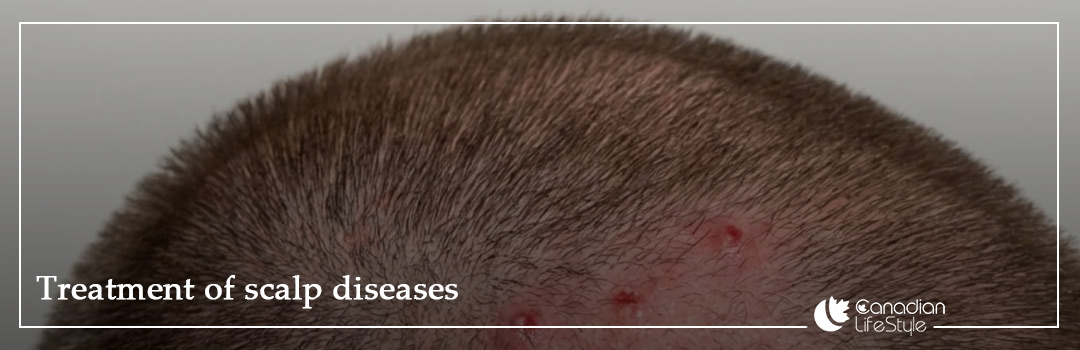
Treatment of scalp diseases varies depending on the underlying cause, severity, and individual scalp sensitivity. Fungal infections often require antifungal shampoos containing ketoconazole, selenium sulfide, or zinc pyrithione, while more severe cases may need oral antifungal medication. Bacterial infections are typically managed with topical or oral antibiotics such as mupirocin, dicloxacillin, or cephalexin, especially if there is pus, swelling, or spreading lesions. Inflammatory conditions may benefit from medicated shampoos, topical corticosteroids, and soothing agents. For age-related scalp issues in the elderly, gentle cleansing, moisturization, and careful monitoring are key to preventing irritation and promoting healing. Alongside medication, maintaining good scalp hygiene, avoiding harsh chemicals, and reducing stress can significantly improve treatment outcomes and prevent recurrence. If this condition is severe, go to a clean beauty products shop for more specialized treatment or seek help from a dermatologist.
Fungal scalp conditions
Fungal scalp conditions are common scalp diseases that affect people of all ages across Canada, often thriving in warm, moist environments. These conditions are typically caused by dermatophyte fungi or yeast such as Malassezia, leading to symptoms that may include itching, flaking, redness, and patchy hair loss. Early identification is essential, as untreated fungal infections of the scalp can spread and become more difficult to manage over time. Professional assessment allows for accurate diagnosis and targeted treatment, which may involve medicated shampoos, topical antifungals, or oral prescriptions depending on severity. Proper scalp hygiene and preventive care play a key role in reducing recurrence and maintaining long-term scalp health.
How do we know if the scalp has a fungal infection?
Identifying a fungal infection of the scalp typically involves recognizing a combination of visible signs and physical symptoms that persist despite routine hair care. Common indicators include ongoing itchiness, excessive flaking but does not improve with regular hair cleanser, redness, and areas of scaling or inflammation. In some cases, fungal scalp infections may cause tender patches, small bumps, or noticeable hair thinning and breakage. A musty or unusual scalp odour can also be a subtle warning sign. For an accurate diagnosis of scalp diseases , healthcare professionals in Canada often rely on a clinical examination and, when necessary, laboratory testing to confirm the presence of fungal organisms and rule out other scalp conditions with similar symptoms.
Reed more: What Is Collagen
What kills bacteria on the scalp?
To effectively kill bacteria on the scalp, a combination of antibacterial treatments and proper scalp hygiene is essential. For scalp diseases medicated hair cleanser containing ingredients such as salicylic acid, or zinc pyrithione are commonly used for their antibacterial properties and can help to cleanse the scalp of harmful microorganisms. Antibacterial ointments and topical creams may also be prescribed for more localized bacterial infections. Additionally, maintaining a clean and dry scalp environment is key, as bacteria thrive in moisture-rich areas. Regular washing with a gentle, antimicrobial Scalp cleanser, along with avoiding excessive scratching or irritation, can help prevent bacterial buildup and support scalp health. For persistent or severe bacterial infections, consulting a healthcare professional for a more targeted treatment is always recommended.
Reed more: Benefits of Vitamin E for Skin and Hair
What does a bacterial scalp infection look like?
A bacterial scalp infection typically presents with distinct visual and physical symptoms that distinguish it from other scalp conditions. The most common signs include redness and inflammation around the affected area, which may feel tender to the touch. You might notice the presence of pus-filled bumps or blisters, which can break open and form crusts. Swelling is also common, particularly around the hair follicles, and hair loss may occur in more severe cases due to follicle damage. The scalp can appear oily or greasy, and there may be an unpleasant odor associated with the infection. If left untreated scalp diseases, the infection can spread, causing additional discomfort and complications. Prompt medical attention is crucial to ensure the right antibiotic treatment and prevent further scalp damage.
What is the most common scalp disorder?
The most common scalp disorder is dandruff, a widespread condition that affects a significant portion of the Canadian population at some point in their lives. disorder is characterized by white or yellow flakes, mild redness, and occasional itchiness, often linked to an overgrowth of Malassezia yeast and increased oil production on the scalp. While it is not contagious or medically serious, untreated it can become chronic and uncomfortable. Factors such as seasonal weather changes, stress, and improper hair care can worsen symptoms. With consistent use of medicated hair cleanser and a tailored scalp care routine, disorder is highly manageable and can be effectively controlled over the long term.
Elderly scalp issues
Elderly scalp issues are common and often influenced by age-related changes in skin structure, circulation, and immune response. As the scalp matures, it tends to become scalp diseases, drier and more sensitive, making seniors more prone to scalp diseases such as seborrheic dermatitis, fungal infections, Hair Loss After 40 and bacterial folliculitis. Thinning skin and reduced oil production can also increase itchiness, flaking, and irritation, particularly during Canada’s colder months. In some cases, chronic medical conditions or long-term medication use may further affect scalp health. Early recognition and gentle, targeted treatments are essential to prevent discomfort and complications, while regular professional evaluations help ensure scalp conditions in older adults are managed safely and effectively.
scalp conditions pictures
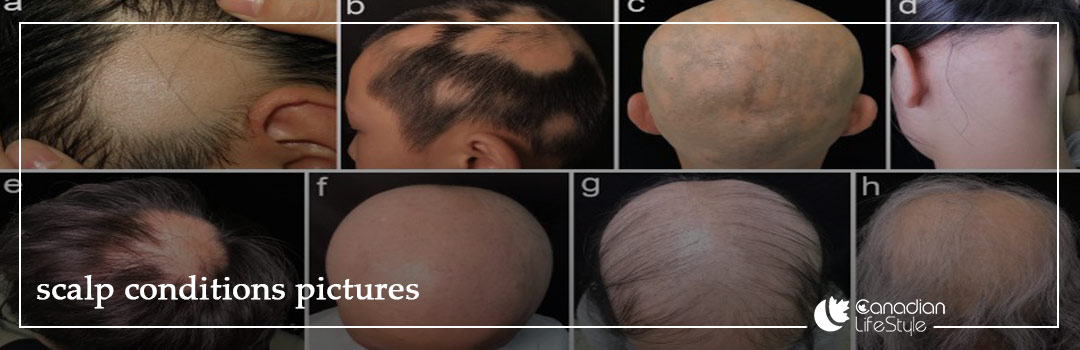
Here are some visual references for scalp conditions, these images show common examples like seborrheic dermatitis, psoriasis, and other scalp issues:
What is the best treatment for scalp inflammation?
The best treatment for scalp inflammation depends on the underlying cause, but a combination of anti-inflammatory, antibacterial, and soothing agents can often provide relief. For most cases for Treatment of scalp diseases, gentle medicated tonic with ingredients like coal tar, salicylic acid, zinc pyrithione, or ketoconazole are effective at reducing scalp inflammation caused by conditions like seborrheic dermatitis, psoriasis, or fungal infections. Topical corticosteroids (available in lotions, foams, or sprays) can also be prescribed to directly address inflammation and reduce itching, particularly in more severe or chronic cases. Additionally, ensuring proper scalp hygiene, such as avoiding harsh chemicals, reducing heat styling, and managing stress, can support the healing process and prevent flare-ups. If the inflammation persists or worsens, it’s crucial to consult a healthcare provider to rule out serious conditions and receive a tailored treatment plan.
Scalp Tonic for Treatment of scalp diseases
Scalp Tonic
How do you treat a scalp infection?
Treating a scalp infection typically requires a combination of antifungal, antibacterial, or antiviral treatments depending on the specific type of infection. For fungal infections and scalp diseases like ringworm or seborrheic dermatitis, medicated hair cleanser containing ingredients like ketoconazole, selenium sulfide, or zinc pyrithione are often recommended to combat the fungal overgrowth. In more severe cases, oral antifungal medications may be prescribed to help clear the infection faster. For bacterial infections, topical or oral antibiotics may be necessary, especially if the infection has spread or is causing pustules or abscesses. Corticosteroid creams or topical antiseptic treatments can help reduce inflammation and speed up healing, particularly if the infection is associated with significant swelling or pain. In cases where viral infections like herpes zoster (shingles) or scalp warts are the cause, antiviral medications may be prescribed to control the viral spread. Along with medications, maintaining a clean scalp environment, avoiding excessive scratching, and using a gentle, non-irritating Scalp cleanser can aid in recovery. If symptoms persist or worsen, it’s important to consult a healthcare professional for further evaluation and a tailored treatment plan.
Reed more: Dry Skin After Shower
In conclusion, scalp diseases are a common yet often manageable issue that can significantly affect your comfort and confidence. Whether caused by fungal infections, bacterial imbalances, or inflammatory conditions, understanding the root cause of scalp issues is the first step toward effective treatment. Remember, a healthy scalp is the foundation for beautiful, strong hair, Scalp problems are minimized when using CanadianLifestyle products. so don’t hesitate to take action and care for your scalp as part of your overall wellness routine.