Cause of itchy scalp is a common yet often misunderstood concern that can affect people of all ages, from children to adults, and may vary significantly between women and men. While occasional scalp itching can result from dryness or environmental changes, persistent symptoms may point to nutritional deficiencies, inflammatory skin conditions, systemic illnesses, or improper scalp care. Understanding what triggers scalp discomfort, how it behaves at night, and which treatments or vitamins can help is essential for effective relief and long-term prevention. This guide explores the most important causes, remedies, and warning signs to help you manage scalp itch safely and scientifically.
Cause of itchy scalp
Cause of itchy scalp often originates from disruptions in the scalp’s barrier function, where factors such as altered sebum composition, microbial imbalance, or low-grade inflammation stimulate peripheral nerve endings. From a dermatological perspective, conditions like seborrheic dermatitis and irritant contact reactions can trigger histamine and cytokine release, leading to persistent pruritus without visible lesions. Environmental contributors common in Canada, such as cold, dry air and frequent indoor heating—may further exacerbate transepidermal water loss, increasing neurosensory sensitivity of the scalp skin. Identifying the root cause of itchy skin and using specialized products and scalp tonics can be effective in preventing and treating this condition.
10 Reasons Your Scalp Itches
An itchy scalp is rarely caused by a single factor; it’s usually the result of inflammation, or environmental stressors. Understanding the root cause is the first step toward lasting relief.
- Dry scalp: Low humidity, cold Canadian winters, and frequent shampooing can strip natural oils from the scalp, leading to tightness and flaking.
- Seborrheic dermatitis: This inflammatory condition is linked to an overgrowth of Malassezia yeast and excess sebum production, often causing redness and greasy flakes.
- Contact dermatitis: Hair dyes, fragrances, and styling products may trigger allergic or irritant reactions on sensitive scalp skin.
- Scalp psoriasis: An autoimmune condition that accelerates skin cell turnover, leading to thick scales and persistent itching.
- Fungal infections: Tinea capitis and other fungal conditions are more common in children but can affect adults as well.
- Head lice: Parasitic infestation causes intense itching due to allergic reactions to lice saliva.
- Nutritional deficiencies: Low levels of zinc, iron, or B-complex vitamins can impair skin renewal and nerve function.
- Stress and anxiety: Psychological stress can heighten inflammatory responses and increase itch perception through the nervous system.
- Poor scalp hygiene: Infrequent washing may allow sweat, oil, and debris to accumulate, irritating hair follicles.
- Underlying medical conditions: Thyroid disease, liver disorders, or kidney disease may cause generalized itching, including the scalp.
Causes of itchy scalp in women
Causes of itchy scalp in women are frequently influenced by hormonal fluctuations that affect scalp oil production and immune responsiveness, particularly during pregnancy, postpartum periods, or menopause. The Cause of itchy scalp in this population is often linked to cosmetic-related exposures, including hair dyes, fragrances, and styling products that may induce allergic or irritant contact dermatitis. Endocrine changes can also alter the scalp microbiome, promoting Malassezia yeast overgrowth and subsequent inflammatory itching.
Causes of itchy scalp in men
Causes of itchy scalp in men are commonly associated with androgen-driven sebum overproduction, which creates an environment favourable for inflammatory scalp disorders. In clinical settings, the Cause of itchy scalp is often tied to seborrheic dermatitis, folliculitis, or improper cleansing habits that allow sweat and debris to accumulate. Occupational exposure to helmets or hard hats may also contribute by increasing scalp occlusion and friction-related irritation.
Causes of itchy scalp in children
Causes of itchy scalp in children are typically rooted in immune sensitivity and infectious or parasitic conditions rather than chronic inflammatory disease. The Cause of itchy scalp in paediatric cases is most often linked to head lice, tinea capitis (fungal infection), or mild atopic dermatitis, all of which provoke itch through immune-mediated skin responses. Children’s thinner scalp skin and developing barrier function make them more reactive to environmental allergens and harsh cleansing agents. Since children have thinner hair and more sensitive skin, it is necessary to use products that are suitable for thin hair to minimize damage during the treatment process.
What are the main causes of itchy scalp?
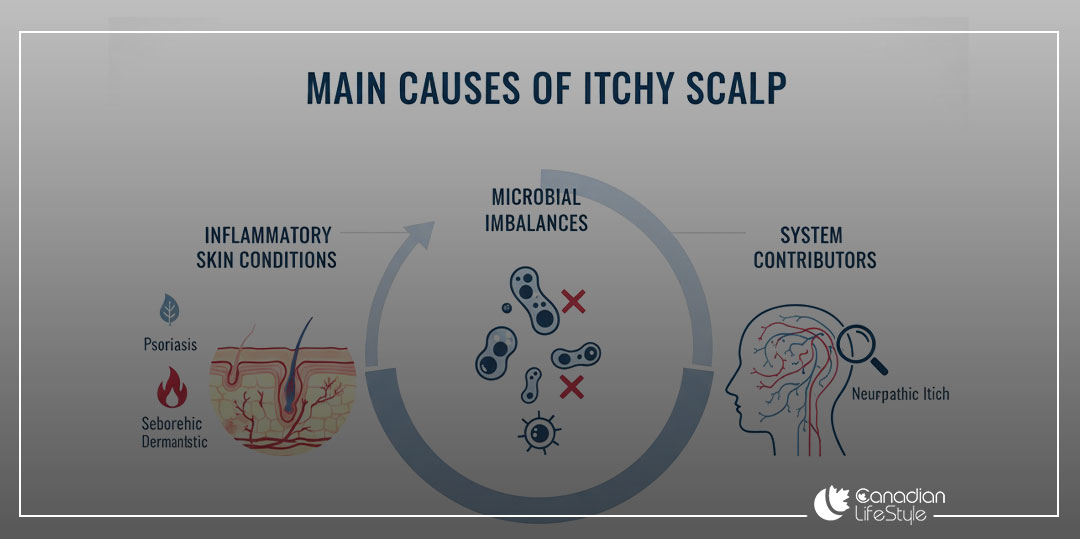
the main causes of itchy scalp include:
- inflammatory skin conditions
- microbial imbalances
- and systemic contributors that alter nerve signalling in the scalp.
From a medical standpoint, the Cause of itchy scalp may stem from :
- seborrheic dermatitis
- psoriasis
- allergic reactions
or chronic dryness that disrupts epidermal integrity. Less commonly, neuropathic itch can occur when sensory nerve pathways are sensitized without visible skin disease.
What illness makes your head itch?
illness makes your head itch often points to dermatological or systemic conditions that activate immune or neurological itch pathways. In many patients, the Cause of itchy scalp is associated with psoriasis , lupus erythematosus, or thyroid disorders, where immune dysregulation leads to inflammatory mediators affecting the scalp. Chronic kidney or liver disease may also cause generalized pruritus, including scalp involvement, due to toxin accumulation.
What deficiency causes itchy head?
deficiency causes itchy head is most commonly related to micronutrient shortages that impair skin regeneration and nerve function. Clinically, the Cause of itchy scalp has been observed in individuals with low levels of zinc, vitamin B12, or essential fatty acids, all of which are crucial for maintaining epidermal health. Iron deficiency may also contribute indirectly by reducing oxygen delivery to skin tissues, increasing sensitivity and irritation.
Treating itchy scalp
Treating itchy scalp requires a targeted approach based on the underlying pathology rather than symptom suppression alone. From a therapeutic perspective, the Cause of itchy scalp determines whether antifungal shampoos, topical corticosteroids, or barrier-repair emollients are most appropriate. Evidence-based management also includes reducing triggers such as harsh surfactants and maintaining optimal scalp hydration, especially in colder Canadian climates. Using a Hair Shampoo that controls scalp itching is the main treatment for this condition.
What is a good remedy for itchy scalp?
good remedy for itchy scalp depends on restoring scalp homeostasis while minimizing inflammatory stimuli. In many cases, addressing the Cause of itchy scalp involves using medicated shampoos containing zinc pyrithione or ketoconazole, combined with gentle, fragrance-free care routines. Non-pharmacological measures such as avoiding hot water and reducing mechanical scratching can significantly lower itch intensity.
What vitamins help with an itchy scalp?
vitamins help with an itchy scalp include nutrients that support skin barrier repair, immune regulation, and nerve stability. Research indicates that correcting the Cause of itchy scalp may involve supplementation with vitamin D, biotin, and vitamin E, particularly when dietary intake is insufficient. These micronutrients help reduce oxidative stress and support keratinocyte function within the scalp epidermis.
How do I make my head stop being so itchy?
To stop itchy scalp starts with identifying and eliminating aggravating factors while calming sensory nerve activation. In practice, managing the Cause of itchy scalp includes switching to pH-balanced products, treating any underlying infection or inflammation, and maintaining consistent scalp hygiene. Behavioural strategies such as minimizing scratching also reduce the itch–scratch cycle that perpetuates symptoms.
How to stop itchy head at night?
To stop an itchy scalp at night involves controlling environmental and physiological triggers that intensify nocturnal pruritus. Dermatology studies suggest the Cause of itchy scalp may feel worse at night due to circadian increases in skin temperature and inflammatory mediators. Using lightweight, non-occlusive bedding and applying soothing treatments before sleep can help regulate scalp comfort.
Preventing itchy scalp
Preventing itchy scalp focuses on long-term scalp health rather than episodic relief. By addressing the Cause of itchy scalp early, individuals can reduce recurrence through regular cleansing with mild formulations, balanced nutrition, and protection against extreme weather exposure. Preventive care also includes limiting chemical treatments that compromise the scalp’s protective barrier. Preventing dryness and flaking of the scalp with specialized products such as oils, serums, and sprays prevents itchy scalp.
When should I be concerned about an itchy scalp?
should I be concerned about an itchy scalp is typically when itching becomes persistent, severe, or is accompanied by hair loss, redness, or scaling. In these cases, the Cause of itchy scalp may indicate an underlying medical condition requiring professional evaluation, such as autoimmune disease or chronic infection. Early dermatological assessment helps prevent complications and supports targeted treatment.
Conclusion
Cause of itchy scalp is rarely random and is usually linked to identifiable factors such as skin barrier disruption, hormonal shifts, micronutrient deficiencies, or underlying medical conditions. Addressing the issue requires more than temporary relief—it involves accurate diagnosis, targeted treatment, and preventive care tailored to age, gender, and lifestyle. By recognizing when symptoms are harmless and when medical evaluation is necessary, individuals can reduce discomfort, prevent recurrence, and maintain long-term scalp health through evidence-based strategies.