What Are the 4 Types of Sensitive Skin? Symptoms, Causes,Treatments
Sensitive skin is a common condition that affects millions of people, but did you know that there are different types of sensitive skin? What are the 4 types of sensitive skin? Understanding the various Sensitive Skin Types is crucial for effective management and treatment. Each type has its own set of characteristics and triggers, ranging from dryness and irritation to breakouts and heat sensitivity. By identifying your specific skin type, you can tailor your skincare routine to meet your skin’s needs and minimize flare-ups, choosing best cosmetics for sensitive skin in the process.
In this article, we will explore the four main Sensitive Skin Types , their causes, and how to recognize and treat them. Whether you experience redness, irritation, or even acne flare-ups due to sensitivity, knowing your skin’s unique needs will help you create a more effective and targeted skincare regimen.
What Is Sensitive Skin?
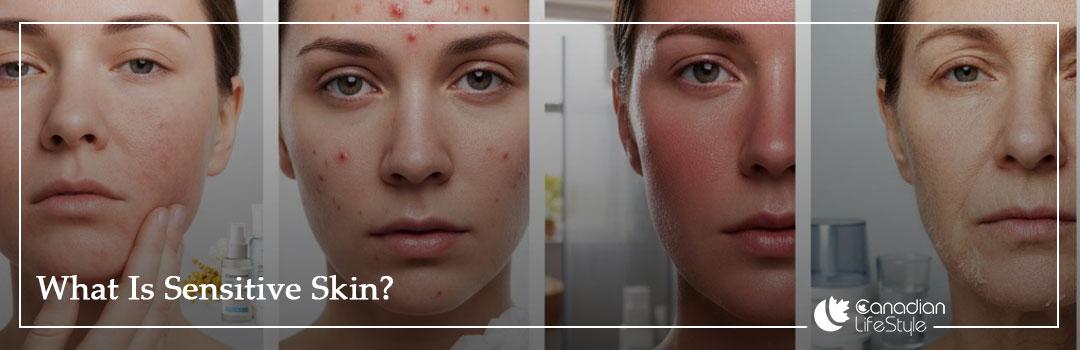
Sensitive skin is a condition in which the skin reacts negatively to everyday products, environmental changes, or physical factors that most people can tolerate without discomfort. This type of skin becomes reactive because its protective lipid barrier is weakened, allowing irritants to penetrate more easily and trigger inflammation in both the epidermis and dermis. Individuals with sensitive skin commonly experience symptoms such as itchiness, dryness, burning sensations, and changes in skin tone because different Sensitive Skin Types have varying degrees of barrier weakness and sensory nerve hyperreactivity.
Sensitive skin is also known for sudden flare-ups, especially when exposed to fragrances, harsh surfactants, alcohol-based formulas, or rapid climate changes that further disrupt hydration levels. Understanding this skin type is essential for choosing barrier-supportive products, minimizing exposure to irritants, and building preventive routines that reduce future reactions and maintain long-term skin balance. Selecting affordable luxury skincare can help individuals with sensitive skin maintain high-quality care without overloading the skin with harsh ingredients. What is meant by sensitive skin is that it refers to a skin type prone to exaggerated reactions due to a weakened barrier and heightened nerve sensitivity, making careful product selection and protective skincare routines essential for maintaining comfort and health across all Sensitive Skin Types.
How do you know if skin is sensitive?
Determining whether your skin is sensitive involves observing both immediate and long-term reactions to common triggers. People with sensitive skin often experience redness, stinging, tightness, or itchiness shortly after using cosmetics, cleansers, or skincare products containing fragrances, alcohol, or strong surfactants. Choosing from natural makeup brands worldwide can help reduce these reactions, as many of these products are formulated to be gentle on all Sensitive Skin Types. These reactions differ across Sensitive Skin Types, depending on whether the underlying issue is allergic, heat-related, breakout-prone, or dryness-induced.
Environmental factors like sudden temperature changes, wind, pollution, or UV exposure can also provoke discomfort, leaving the skin dry, inflamed, or blotchy. Another sign of sensitive skin is a tendency for flare-ups after treatments such as chemical exfoliation, waxing, or even mild scrubs. Over time, sensitive skin may display persistent reactivity, meaning minor irritants trigger disproportionate responses compared to normal skin. Recognizing these patterns is crucial: keeping a reaction diary, patch-testing new products, and observing how your skin responds to different climates or routines helps identify which Sensitive Skin Types category you fall into and guides the selection of gentle, barrier-strengthening skincare solution
Read more: What Is My Skin Type
The Four Sensitive Skin Types and Their Causes
Experts classify sensitive skin into four main Sensitive Skin Types: allergic sensitivity, acne-prone sensitivity, heat-activated sensitivity, and dry/dehydrated sensitivity. Each type has unique characteristics, causes, and strategies for management. Understanding these categories allows individuals to identify their specific skin patterns, determine what triggers a reaction, and adopt targeted care routines. This knowledge is essential for reducing irritation, preventing flare-ups, and maintaining a balanced, resilient skin barrier tailored to each type of sensitivity.
Read more: Beauty Pricing
Allergic Sensitivity
Allergic sensitivity is one of the Sensitive Skin Types in which the immune system reacts excessively to specific substances, causing immediate or delayed irritation. People with this skin type often notice visible redness, swelling, itchiness, or even hives when exposed to triggers. Recognizing allergic sensitivity is key for preventing flare-ups and selecting gentle, hypoallergenic skincare solutions.
Characteristics of Allergic Sensitivity
- Rapid redness or blotchiness after exposure to allergens
- Itching, stinging, or burning sensations on affected areas
- Swelling or hives in response to cosmetic or environmental triggers
- Recurrent flare-ups when exposed to the same irritants
- Increased sensitivity to mild products over time
Read more: Oily Skin Routine Products
Common Causes of Allergic Sensitivity
Allergic sensitivity is most commonly triggered by fragrances, preservatives, essential oils, nickel in cosmetics, or other chemical compounds in personal care products. Environmental allergens such as pollen, dust mites, and pet dander can also provoke reactions across various Sensitive Skin Types.
How to Deal with Allergic Sensitivity
Managing allergic sensitivity involves identifying personal triggers through patch-testing and careful observation. Using fragrance-free, hypoallergenic, and dermatologist-tested products reduces the risk of flare-ups. Additionally, incorporating barrier-strengthening ingredients such as ceramides, niacinamide, and hyaluronic acid can help calm inflammation and restore the skin’s protective layer. Avoiding known allergens and protecting the skin from environmental irritants is essential for maintaining long-term comfort and resilience in this Sensitive Skin Types category.
Breakout-Prone Sensitivity
Breakout-prone sensitivity is another Sensitive Skin Types category where the skin becomes prone to clogged pores, acne formation, or small pustules in response to certain triggers. Unlike general acne, this type is strongly linked to heightened skin reactivity, imbalanced sebum production, and inflammatory responses.
Reed more: Benefits of Iron Supplements for Skin, Hair, and Nails
Characteristics of Breakout-Prone Sensitivity
- Frequent formation of small pimples or pustules even with mild products
- Red, inflamed areas around the cheeks, forehead, or jawline
- Sensitivity to oil-based or heavy cosmetic formulations
- Occasional stinging or burning when using strong cleansers
- Tendency for breakouts to flare up after stress, diet changes, or environmental shifts
Read more: Micellar Water Ingredients
Common Culprits of Breakout-Prone Sensitivity
Breakout-prone sensitive skin is often triggered by:
- Heavy or occlusive moisturizers that block pores
- Comedogenic makeup and sunscreen products
- Excessive oil or sebum production combined with environmental pollutants
- Aggressive exfoliation or harsh scrubs that disrupt the barrier
- Hormonal fluctuations or stress-related inflammation
How to Deal with Breakout-Prone Sensitivity
Managing breakout-prone sensitive skin involves using gentle, non-comedogenic cleansers and lightweight moisturizers that support the skin barrier. Incorporating calming, anti-inflammatory ingredients like niacinamide, green tea extract, or panthenol can help reduce redness and irritation. Avoiding heavy, pore-clogging products and maintaining a consistent cleansing routine is essential, as is monitoring diet, hydration, and stress levels to minimize flare-ups within this Sensitive Skin Types subtype.
Read more: Hair loss after 40
Heat-Activated Sensitivity
Heat-activated sensitivity is a Sensitive Skin Types subtype that reacts specifically to elevated temperatures, whether from sun exposure, hot showers, saunas, or external heat sources. This sensitivity occurs when heat increases blood flow and triggers inflammatory responses in already reactive skin, causing discomfort and visible reactions. Understanding heat-activated sensitivity helps in preventing flare-ups and choosing routines and products that maintain skin balance under thermal stress.
Characteristics of Heat-Activated Sensitivity
- Flushing or redness that appears quickly in warm environments
- Tingling, warmth, or burning sensations on the cheeks, nose, or forehead
- Swelling or puffiness after exposure to heat or steam
- Occasional formation of small bumps or irritation in response to temperature changes
- Skin feels fragile or overstimulated during prolonged heat exposure
Common Causes of Heat-Activated Sensitivity
- Prolonged sun exposure or UV radiation
- Hot showers, baths, or saunas that increase skin temperature
- Environmental heat waves or high-humidity conditions
- Physical activity that raises body temperature rapidly
- Heat from styling tools like hair dryers or heated masks
Reed more: What is the skin microbiome
How to Deal with Heat-Activated Sensitivity
Managing heat-activated sensitivity involves protecting the skin from extreme temperatures and using cooling, barrier-supportive products. Lightweight moisturizers, calming serums with aloe vera, panthenol, or allantoin, and broad-spectrum SPF help minimize flare-ups across this Sensitive Skin Types group. Avoiding long hot showers, sudden temperature changes, and overheating during exercise supports long-term skin resilience.
Dry/Dehydrated Sensitivity
Dry or dehydrated sensitivity is a Sensitive Skin Types category where the skin becomes reactive due to insufficient hydration and a compromised moisture barrier. This type of skin is prone to irritation, tightness, and discomfort even when exposed to mild products or environmental changes. Recognizing dry/dehydrated sensitivity is crucial for implementing routines that restore moisture, strengthen the skin barrier, and reduce recurring flare-ups.
Characteristics of Dry/Dehydrated Sensitivity
- Noticeable tightness and rough texture, especially after cleansing
- Flaking or peeling in areas like cheeks, forehead, or around the eyes
- Redness or irritation that appears when skin loses moisture quickly
- Sensitivity to temperature changes or low humidity
- Skin feels fragile, easily irritated, and less resilient to products
Common Causes of Dry/Dehydrated Sensitivity
- Environmental factors like cold weather, low humidity, or wind
- Over-washing or using harsh cleansers that strip natural oils
- Inadequate hydration or neglecting moisturizers with barrier-supporting ingredients
- Age-related decline in natural oil production and skin elasticity
- Excessive use of exfoliants or alcohol-based products
How to Deal with Dry/Dehydrated Sensitivity
Managing dry or dehydrated sensitive skin involves maintaining consistent hydration and protecting the skin barrier. Use gentle, non-foaming cleansers and moisturizers rich in ceramides, hyaluronic acid, or squalane. Incorporating soothing ingredients like panthenol or oat extract can calm irritation. Avoid long hot showers, harsh exfoliation, and alcohol-based products to restore moisture balance across this Sensitive Skin Types group.
Is sensitive skin dry or oily?
Sensitive skin is not confined to a single texture; it can be dry, oily, combination, or even normal depending on which Sensitive Skin Types category it belongs to. The defining factor is the skin’s heightened reactivity and weakened barrier. The defining factor is not the amount of sebum, but the skin’s heightened reactivity and weakened barrier function. Dry sensitive skin often feels tight, rough, or flaky, making it prone to irritation from harsh cleansers or environmental stressors. Oily sensitive skin, on the other hand, may experience frequent breakouts, clogged pores, or redness, even when using lightweight or non-comedogenic products. Combination sensitive skin can display dryness in some areas and excess oil in others, amplifying the risk of localized irritation. Understanding whether your sensitive skin leans toward dryness, oiliness, or a combination helps in selecting appropriate moisturizers, cleansers, and treatments that strengthen the barrier, calm inflammation, and maintain overall balance. You can enhance your routine for sensitive skin by choosing vegan and cruelty free makeup , which minimizes irritation while supporting a gentle, ethical approach to beauty.
Below, we can clearly see the main differences between dry and oily sensitive skin, highlighting the key symptoms and practical care considerations for each type.
| Feature |
Dry Sensitive Skin |
Oily Sensitive Skin |
| Texture |
Tight, rough, flaky |
Shiny, greasy, prone to clogged pores |
| Common Symptoms |
Redness, irritation, peeling |
Redness, breakouts, inflammation |
| Triggers |
Harsh cleansers, cold weather, low humidity, hot showers |
Heavy oils, comedogenic makeup, pollution, stress |
| Skincare Tips |
Use gentle, hydrating cleansers; moisturize with ceramides or hyaluronic acid; avoid alcohol-based products |
Use lightweight, non-comedogenic moisturizers; incorporate soothing ingredients like niacinamide; avoid heavy creams and over-cleansing |
| Barrier Considerations |
Skin barrier is fragile and easily dehydrated |
Sebum production can exacerbate irritation; barrier still reactive |
Sensitive Skin Symptoms
Recognizing sensitive skin symptoms is key to understanding how different Sensitive Skin Types respond to environmental and cosmetic triggers. Early identification of these signs can help prevent flare-ups and guide the selection of suitable skincare routines.
Common Symptoms:
- Redness – Often appears on the cheeks, nose, or forehead, caused by increased blood flow and inflammation in response to irritants.
- Itching – A frequent reaction when the skin barrier is compromised, leading to discomfort and the urge to scratch.
- Burning or Stinging – Usually triggered by harsh skincare ingredients, sudden temperature changes, or exposure to pollutants.
- Tightness – Common in dry sensitive skin, this symptom occurs when hydration levels drop and the skin feels stretched.
- Dry Patches or Flakiness – Indicative of barrier disruption, often worsened by cold weather, hot showers, or low humidity.
- Small Bumps or Uneven Texture – May appear after exposure to allergens or heavy cosmetic formulations, signaling localized irritation.
Skin suddenly sensitive and itchy
When skin becomes suddenly sensitive and itchy, it often signals an acute reaction in one of the Sensitive Skin Types depending on the trigger. Affected areas typically display redness, inflammation, or raised patches. This rapid onset can be triggered by environmental changes, exposure to new skincare ingredients, or contact with allergens. Affected areas typically display redness, inflammation, or raised patches, while the itchiness may range from mild discomfort to intense irritation. Even normally tolerant skin can react in this way when the protective barrier is compromised, allowing irritants to penetrate the epidermis and activate the sensory nerves. Recognizing these sudden symptoms early is crucial for preventing prolonged flare-ups, choosing gentle cleansers and moisturizers, and avoiding products or conditions that could exacerbate irritation. Proper management helps restore barrier function, reduce inflammation, and maintain overall skin comfort across all sensitive skin types. For managing sudden flare-ups, incorporating products from a Clean Beauty Products Shop can help ensure your skin receives gentle, non-irritating care while supporting barrier recovery.
Immediate Tips for Suddenly Sensitive and Itchy Skin
- Use a Gentle Cleanser – Switch to a fragrance-free, sulfate-free cleanser to avoid further irritation.
- Apply a Soothing Moisturizer – Look for products containing ceramides, hyaluronic acid, or aloe vera to calm inflammation.
- Avoid Scratching – Scratching can worsen irritation and lead to micro-tears in the skin barrier.
- Cool Compress – Apply a cool, damp cloth to itchy areas to reduce heat and redness.
- Skip New Products – Temporarily stop using any recently introduced skincare or cosmetic products.
- Protect from Environmental Triggers – Limit exposure to extreme temperatures, sun, wind, or pollution.
- Consider Over-the-Counter Relief – Mild hydrocortisone cream or anti-itch lotions can be used cautiously if necessary.
Is sensitive skin genetic?
Genetics can play a significant role in determining sensitive skin types, as inherited traits influence the strength of the skin barrier and its reaction to environmental triggers. Individuals with a family history of eczema, rosacea , or other inflammatory skin conditions are more likely to experience heightened reactivity, redness, or itchiness. Certain genetic variations can affect lipid production, moisture retention, and nerve sensitivity, making the skin prone to irritation even in response to mild skincare products or everyday environmental changes. Understanding the genetic component of sensitive skin helps in anticipating potential triggers, customizing a preventive skincare routine, and selecting products designed to reinforce the barrier and calm inflammation across different sensitive skin types.
How Genetics Influence Skin Barrier Function
Genetic factors shape not only how the skin looks but also how effectively it protects itself against irritants, pollutants, and allergens. People with certain inherited traits may have a thinner stratum corneum, reduced ceramide levels, or less natural hydration, which can make their skin highly reactive. These variations mean that even gentle environmental or cosmetic exposures can trigger redness, flaking, or burning sensations. Recognizing the genetic influence on barrier function allows individuals to adopt strategies like targeted moisturization, antioxidant support, and barrier-strengthening routines, reducing the frequency and severity of reactions in various sensitive skin types.
Recognizing Genetic Predisposition in Sensitive Skin
Genetic predisposition to sensitive skin often manifests subtly before clear symptoms appear. Early indicators may include frequent redness after mild irritation, recurrent itching without obvious cause, or a history of family members with inflammatory skin conditions. Understanding these signs helps users identify their susceptibility early and tailor preventive care routines, such as avoiding aggressive exfoliants, choosing hypoallergenic products, and implementing consistent hydration practices. Proactive recognition of genetic tendencies can significantly improve skin resilience and comfort for all sensitive skin types, preventing chronic irritation and supporting long-term skin health.
Sensitive Skin Treatment
Treating sensitive skin effectively requires a strategic approach that addresses both the underlying barrier weakness and the triggers that provoke reactions across different sensitive skin types. The primary goal is to restore the skin’s natural protective functions while minimizing exposure to irritants. Gentle cleansing is essential, using sulfate-free, fragrance-free formulas that remove impurities without stripping natural oils. Moisturization should focus on barrier-reinforcing ingredients like ceramides, fatty acids, and hyaluronic acid, which lock in hydration and calm inflammation. In addition, incorporating antioxidant-rich serums and products with soothing botanicals such as aloe vera or chamomile can reduce oxidative stress and sensitivity. Avoiding harsh exfoliants, toners for sensitive skin , or aggressive active ingredients is key to preventing flare-ups. For acute reactions, short-term use of calming treatments, like mild anti-inflammatory creams or barrier repair masks, can provide immediate relief. By understanding the specific needs of one’s sensitive skin type, individuals can create a tailored routine that balances protection, hydration, and long-term skin resilience.
How to treat sensitive skin on face
Facial skin often reacts more quickly to irritants due to its thinner epidermal layer and higher concentration of sensory nerves, making tailored care essential for different sensitive skin types. Start by choosing a gentle, pH-balanced cleanser that removes impurities without stripping moisture or weakening the skin barrier. Incorporate a lightweight, non-comedogenic moisturizer enriched with ceramides, squalane, or hyaluronic acid to maintain hydration and protect against environmental stressors. Sunscreen is critical; select a mineral-based SPF to reduce the risk of irritation from UV exposure. For redness or flare-ups, calming ingredients such as allantoin, niacinamide, or chamomile extract can soothe the skin and reduce inflammation. Avoid aggressive exfoliation, alcohol-based toners, and highly fragranced products, as these can exacerbate sensitivity. Consistency and minimalism in the routine help reinforce the barrier, prevent reactions, and keep facial skin comfortable, balanced, and resilient across all sensitive skin types.
Conclusion
Sensitive skin is unique to each individual and requires tailored care depending on the type and triggers. Whether your skin reacts to allergens, environmental changes, or other irritants, understanding the causes and symptoms is the key to managing sensitivity effectively. By identifying your skin’s specific needs—whether it’s soothing dryness, balancing oil production, or preventing flare-ups—you can choose the right products and develop a routine that strengthens the skin barrier and improves overall comfort.
Incorporating gentle, nourishing ingredients into your skincare routine, and avoiding harsh irritants, are essential for keeping your sensitive skin balanced and healthy. Regular monitoring of triggers and adjusting your products as needed will allow you to manage sensitivity long-term. Remember, managing sensitive skin is about consistency and care, not just the products you use.