The Essential Guide to Understanding, Treating, and Calming eczema
Eczema, or Atopic Dermatitis, is a chronic inflammatory skin condition that millions worldwide face, often starting in childhood. It’s a combination of genetics and environmental factors that weaken the skin’s barriers. To gain lasting relief, this resource offers a comprehensive overview of eczema, explaining its seven classifications, primary symptoms, common triggers, and optimal treatment strategies, including daily moisturization and medical guidance
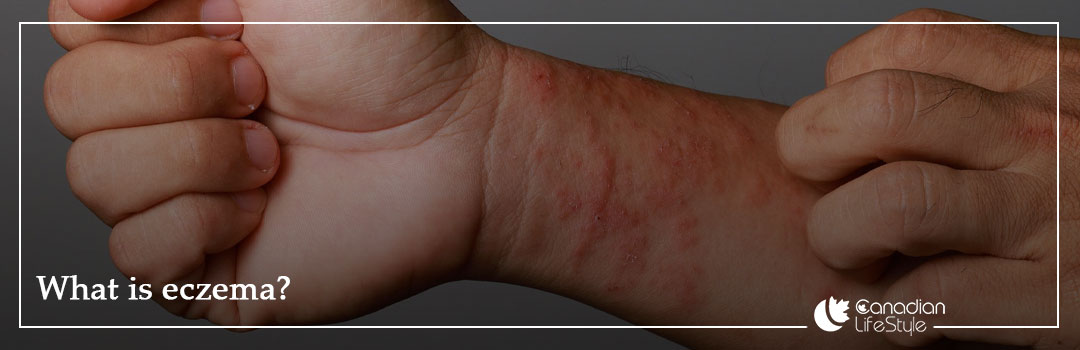
What is eczema?
Eczema is a chronic inflammatory skin disease formally known as Atopic dermatitis, and is very common nowadays. This skin condition typically starts from childhood and it can affect people of all ages. A combination of genetics and environmental factors can cause these kinds of problems that affect millions worldwide. It actually weakens the skin’s barrier function and makes it harder for the skin to retain moisture. This guide will break down the steps to understanding the symptoms, identifying the causes and treating your problem. This skin problem is not contagious so people shouldn’t worry about it.
Read more: Beauty Pricing
What are the types of eczema?
When we want to talk about the types of eczema, we should explore the seven distinct types to ensure a comprehensive understanding of the condition's varying manifestations.
The most common type of this dermatitis is called Atopic Dermatitis. This type is characterized by intense itching, dry skin, and red rashes.
Contact dermatitis is caused by contact with substances.
The third one is called Dyshidrotic Eczema which causes small and itchy blisters on the palms of the hands, soles of the feet and sides of the fingers.
Actually Seborrheic Dermatitis causes red, greasy and scaly patches and affects oily areas of the human body. With Nummular Eczema Coin-shaped spots/lesions develop on the skin, causing intense itching.
Neurodermatitis type starts with a local itch with scratching. It is characterized by a single, thick, leathery patch of skin.
The last form of this skin problem is called Stasis Dermatitis which Develops due to poor blood circulation in the lower legs. For many patients, switching to gentle alternatives like Vegan and Cruelty-Free Makeup is a crucial step in reducing overall skin irritation from cosmetics.
The symptoms of eczema
The symptoms of eczema can range from mild to severe and appear in cycles. The first symptom of this skin problem is itching which can be severe especially at night. Intense itching can be the most distressing symptom of this chronic Inflammatory Skin Condition. This kind of dermatitis compromises the skin's outer layer, making it difficult to retain moisture so people who have sensitive skin can start using products for sensitive skin. To complete their routine, people with sensitive skin can consider suitable skincare products for their condition. Patients with eczema must be extremely cautious about product ingredients, often relying solely on the Best cosmetics for sensitive skin .
The affected skin areas become visibly red and swollen. Please be careful about long-term skin changes which are caused by this problem and the skin may ooze clear fluid and develop a yellowish-brown crust.
Where do symptoms of eczema appear on my body?
Symptoms of eczema can show up on your skin and the most common places where people will notice symptoms include hands, neck, elbow, ankles, knees, feet and face. This skin problem can also occur on nipples, breasts and penis but they are the less common areas in which the symptoms can appear.
Read more: How to Store Cosmetics
how to cure eczema permanently
Everybody should know that eczema has no permanent cure at the moment but it can be managed with a daily skincare routine. Effective home remedies and lifestyle adjustments such as regular moisturizing, using colloidal oatmeal baths, applying cool compresses and avoiding known irritants are essential for daily Chronic Condition management. you can refer to trusted beauty product resources for sourcing these products. Using 4-2-4 cleansing method is also effective in treating eczema.
What causes eczema?
To answer the question “what causes eczema?” We can say your immune system, your genes, your environment and the emotional triggers can cause this skin problem on your body. When people contact a trigger, their immune system assumes that small irritants are foreign invaders like bacteria and viruses.
When exposed to a trigger, the immune system releases chemicals that drive the inflammation, resulting in the visible and intense symptoms of eczema. This kind of dermatitis is characterized by the immune system but it doesn’t fit the criteria of an autoimmune condition.
When there is a history of this skin problem in your family, you are more likely to have it.
Some environmental examples include exposure to smoke, air pollution and harsh soaps can help these skin diseases to show up. To replace harsh cleansers and daily products, choosing products with natural and organic ingredients is recommended. When exploring new skincare products, understanding ingredients like Retinol is crucial, as some ingredients can be highly irritating to sensitized eczema skin.
What triggers eczema to flare up?
When we want to talk about the triggers which cause eczema, we can say triggers that originate from within the body can be just as potent as external ones. For example, emotional stress causes the body to release hormones. Viral illnesses like cold or skin infections can dramatically increase inflammation levels throughout the body. Dry skin is itself a major trigger, as it weakens the skin's defense mechanism and allows other irritants to enter. Types of sensitive skin , such as eczema-prone skin, are particularly vulnerable to these triggers, making proper skin care essential to managing flare-ups.
What type of moisturizer treats eczema?
Choosing the right moisturizer in treating skin problems like eczema is the most important daily step in managing it. Generally, the thicker the product, the better it is for this problem. Consistency and water content moisturizers are effective too. Using ointments are the best and after that you can use creams and lotions.
How to treat childhood eczema?
When you want to treat childhood eczema, you can start with a short, warm bath instead of a long, hot bath which can dry out a child's skin. Using moisturizer several times a day is extremely helpful. You should keep the room temperature in regular form. Use cotton dress for your child because polyester can hardly irritate their skin.
Conclusion
As we have explored, while there is no permanent cure for this skin disease, the goal is to break the relentless itch-scratch cycle and achieve long-term relief. Understanding your specific type of eczema, diligently avoiding your personal triggers (both environmental and emotional), and maintaining a strict daily skin care routine can be effective for treating eczema. Seeking products that are both gentle and responsibly sourced is often easiest when shopping at an eco-friendly cosmetics store .