Steps to use kojic acid correctly play a crucial role in achieving visible improvements in uneven skin tone while maintaining overall skin health. Kojic acid is widely used in dermatology-focused skincare routines for managing hyperpigmentation, sun spots, and post-inflammatory marks, but its effectiveness depends on proper application and consistency. Understanding how to prepare the skin, apply the product safely, and protect the skin barrier helps reduce irritation and supports more reliable, long-term results, especially in climates with seasonal sun exposure like Canada.
What is Kojic Acid?
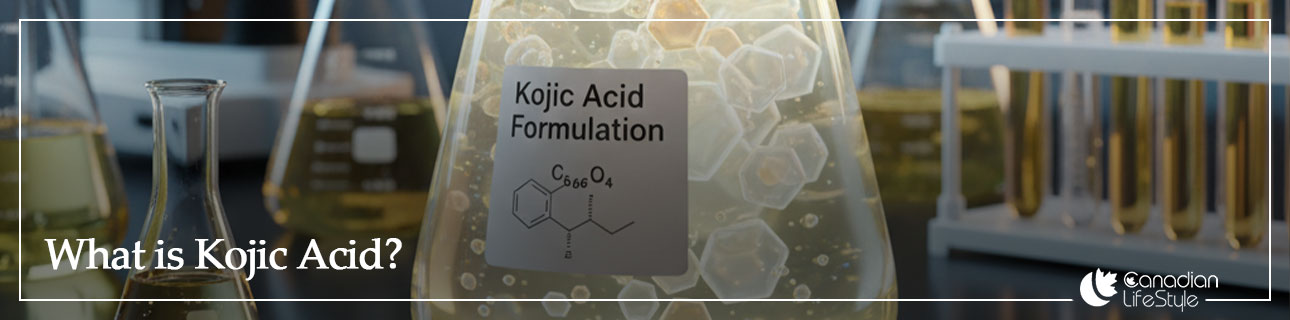
Kojic Acid is best explained as a naturally derived compound produced during the fermentation of certain fungi, particularly Aspergillus oryzae, widely used in dermatology for managing uneven skin tone. Kojic acid works primarily by inhibiting tyrosinase, the copper-dependent enzyme responsible for melanin synthesis, which makes it effective for addressing dark spots without interfering with normal skin cell turnover. From a biochemical perspective, its chelating ability allows it to reduce excess pigment formation while maintaining the integrity of the epidermal barrier, especially when formulated at dermatologically safe concentrations. This ingredient is found in affordable Luxury Skincare and has many benefits for skin and facial beauty.
Kojic acid serum benefits
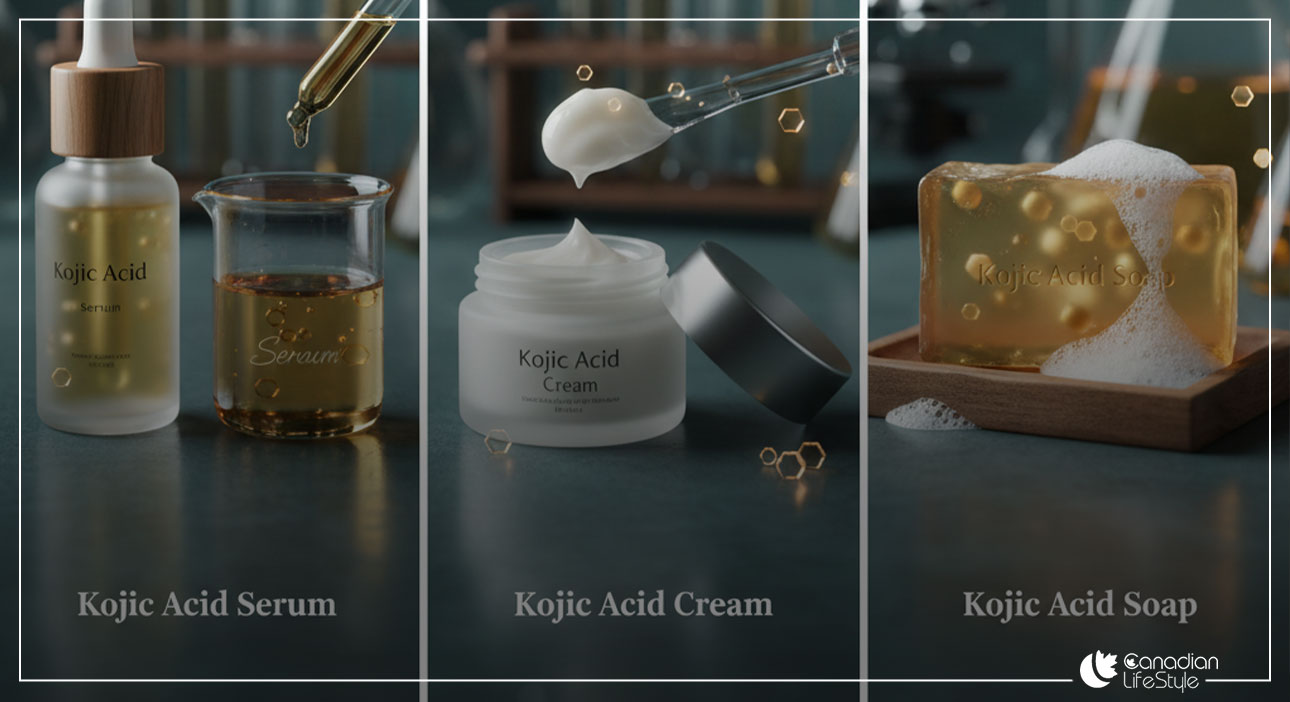
Kojic acid serum benefits include targeted correction of localized hyperpigmentation due to the lightweight, water-based delivery system that enhances penetration into the upper epidermis. Unlike heavier emulsions, serums allow kojic acid to interact efficiently with melanocytes while minimizing occlusion-related irritation. Clinical observations show that consistent use can improve the appearance of sun spots, melasma patches, and post-inflammatory marks when combined with stabilizing agents such as glycerin or panthenol.
Kojic acid benefits for face
Kojic acid benefits for face applications stem from its selective action on pigment pathways rather than overall skin exfoliation, making it suitable for facial areas prone to discoloration. Kojic acid helps refine overall complexion clarity by reducing excess melanin clusters while supporting a more even optical light reflection on the skin surface. When paired with soothing botanical extracts like licorice root, facial formulations can enhance tolerability and reduce redness.
Kojic acid cream benefits for skin
Kojic acid cream benefits for skin are closely linked to the occlusive and slow-release nature of cream-based formulations. Kojic acid in creams remains in contact with the stratum corneum longer, allowing gradual pigment regulation while improving moisture retention. This format is particularly beneficial for individuals with normal to dry skin types, as the lipid matrix supports barrier repair alongside tone correction.
Types of kojic acid
Types of kojic acid used in skincare mainly refer to pure kojic acid and stabilized derivatives such as kojic dipalmitate. Kojic acid itself is water-soluble and biologically active but can be sensitive to oxidation, whereas esterified forms improve stability in cosmetic formulations and Best cosmetics for sensitive skin. From a formulation science standpoint, the choice between these types affects potency, shelf life, and skin sensitivity profiles.
kojic acid serum
Kojic acid serum formulations are designed for precision treatment, allowing controlled delivery of the active compound to pigmented areas. Kojic acid performs optimally in serums with a pH range that preserves enzymatic inhibition without compromising skin comfort. Dermatology-focused brands often include chelators and antioxidants to support efficacy and prevent degradation during use.
Best Kojic Acid serum
Best Kojic Acid serum options are typically defined by formulation balance rather than concentration alone. Kojic acid is most effective when combined with complementary actives such as alpha arbutin or tranexamic acid, which reinforce pigment modulation through different biological pathways. Product quality should be assessed based on ingredient stability, clinical backing, and absence of sensitizing alcohols.
Kojic Acid Serum Ordinary
Kojic Acid Serum Ordinary style formulations emphasize minimalism and transparency in ingredient sourcing. Kojic acid in these products is usually supported by humectants and buffering agents to ensure compatibility with daily skincare routines. This approach aligns with evidence-based dermatology by reducing unnecessary additives that may interfere with pigment correction outcomes. This ingredient is found in abundance in men's skin care products.
Best Kojic acid serum for hyperpigmentation
Best Kojic acid serum for hyperpigmentation focuses on multi-pathway pigment control rather than single-mechanism inhibition. Kojic acid is particularly effective when layered with UV protection and barrier-repair ingredients, as hyperpigmentation is often exacerbated by inflammation and sun exposure. Long-term improvement depends on consistency rather than rapid depigmentation.
Kojic Acid Cream
Kojic Acid Cream formulations are commonly used for broader surface areas where controlled absorption is required. Kojic acid benefits from the emollient base, which reduces transepidermal water loss while supporting pigment normalization. This format is frequently recommended in professional skincare for gradual tone refinement on the face and body.
kojic acid soap
kojic acid soap provides brief but repeated contact with the skin, making it suitable for maintenance rather than intensive correction. Kojic acid in cleanser form works best as a supportive step, helping reduce surface pigmentation buildup while preparing the skin for leave-on treatments. Due to limited contact time, results depend heavily on overall routine synergy.
Kojic acid how to use
kojic acid how to use guidelines emphasize controlled frequency and proper layering within a skincare routine. Kojic acid should be applied to clean, dry skin and followed with moisturizers and broad-spectrum sunscreen to prevent rebound pigmentation. Gradual introduction helps minimize irritation while allowing melanocyte activity to normalize.
Is it better to use kojic acid at night or morning?
Dermatological consensus suggests nighttime application is preferable due to reduced UV exposure and enhanced skin repair cycles. Kojic acid can increase photosensitivity, so evening use paired with daily sunscreen maximizes benefits while reducing oxidative stress on treated areas.
Steps to use kojic acid
Steps to use kojic acid begin with cleansing the skin using a gentle, low-pH cleanser to remove oil, sunscreen residue, and environmental pollutants that may interfere with absorption. After patting the skin dry, apply a thin layer of a kojic acid product to areas affected by discolouration, allowing it to absorb fully before layering a barrier-supporting moisturizer containing ceramides or cholesterol. In the morning, broad-spectrum SPF is essential, as pigment-regulating ingredients can increase UV sensitivity; in the evening, pairing with calming agents such as allantoin or centella asiatica can improve tolerance. For optimal results, dermatology guidelines recommend starting with once-daily use and increasing frequency only if the skin shows no signs of irritation. The use of kojic acid is similar to the 4-2-4 cleansing method and includes the following steps:
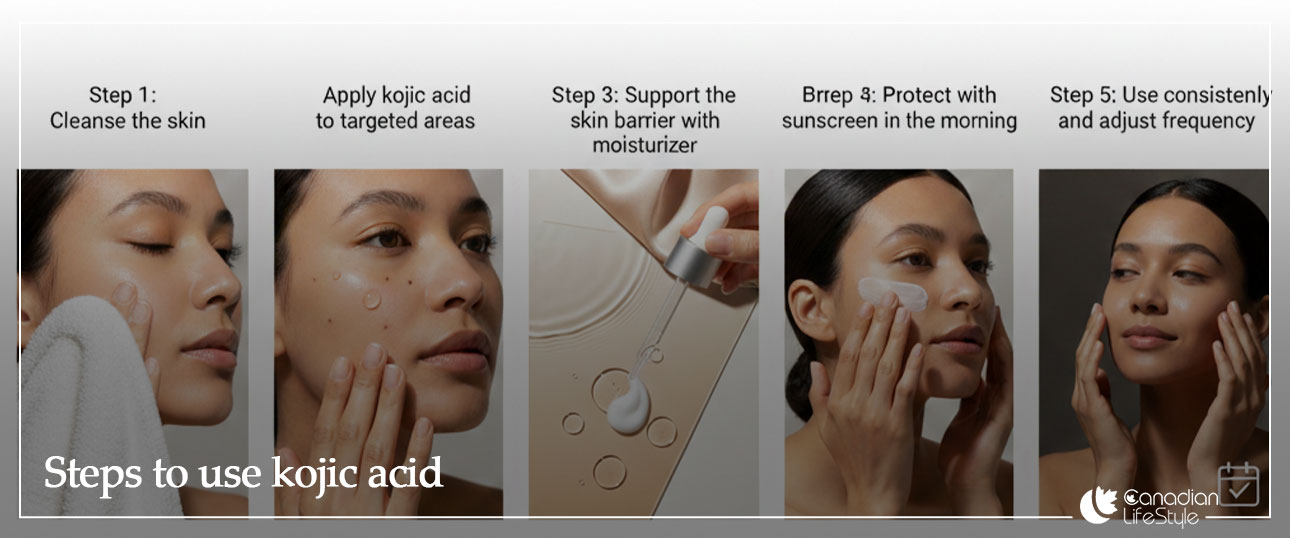
Step 1: Cleanse the skin
Use a gentle, low-pH facial cleanser to remove oil, sunscreen, and environmental impurities
Avoid harsh surfactants that can weaken the skin barrier and increase sensitivity
Pat the skin dry with a clean towel before applying any treatment
Step 2: Apply kojic acid to targeted areas
Apply a thin, even layer only to areas with hyperpigmentation or uneven tone
Use clean fingertips and avoid rubbing aggressively
Allow the product to absorb fully before moving to the next step
Step 3: Support the skin barrier with moisturizer
Follow with a moisturizer containing ceramides, glycerin, or cholesterol
This helps reduce transepidermal water loss and limits irritation
Choose lightweight formulas for oily skin and richer creams for dry skin
Step 4: Protect with sunscreen in the morning
Apply a broad-spectrum SPF 30 or higher as the final step in daytime routines
Reapply sunscreen when exposed to direct sunlight
Sun protection is critical to prevent rebound hyperpigmentation
Step 5: Use consistently and adjust frequency
Start with once-daily application, preferably at night
Increase frequency gradually only if the skin tolerates it well
Discontinue use if persistent redness, burning, or irritation occurs
kojic acid serum side effects
kojic acid serum side effects may include mild irritation, dryness, or transient redness, particularly in sensitive skin types. Kojic acid affects melanocyte activity, which can temporarily disrupt skin balance if overused. Proper formulation and gradual usage significantly reduce the likelihood of adverse reactions.
What is the negative effect of kojic?
The primary concern relates to over-inhibition of melanin production, which may compromise the skin’s natural photoprotection. Kojic acid misuse or excessive concentration can lead to irritation or uneven tone, highlighting the importance of evidence-based dosing and professional guidance.
Kojic acid serum review
Kojic acid serum review analyses often highlight its effectiveness for targeted discoloration when used consistently. Kojic acid performs best in routines that address inflammation control and UV protection simultaneously. Reviews from dermatology professionals emphasize formulation quality over marketing claims.
Kojic Acid vs Niacinamide
Kojic Acid vs Niacinamide comparisons show distinct but complementary mechanisms of action. Kojic acid directly inhibits melanin synthesis, while niacinamide improves barrier function and reduces pigment transfer. Combining both can yield enhanced tone correction without increasing irritation risk.
Conclusion
Steps to use kojic acid effectively rely on a balanced approach that prioritizes skin tolerance, gradual usage, and daily sun protection. When incorporated thoughtfully into a routine, kojic acid can support a more even-looking complexion without compromising the skin barrier. Consistency, patience, and proper aftercare—particularly moisturizing and sunscreen use—are key to minimizing side effects and achieving stable, lasting improvements in skin tone over time.
▶ What is kojic acid made of?
Kojic acid originates from fungal fermentation processes involving carbohydrate metabolism. This biochemical origin allows it to interact effectively with copper ions in melanin-producing enzymes, making it valuable in dermatological formulations focused on pigmentation control.
▶ Is kojic acid a bleaching agent?
Scientifically, kojic acid is classified as a depigmenting agent rather than a bleach. It modulates melanin production without destroying melanocytes, which distinguishes it from harsh chemical bleaching substances.
▶ Is kojic acid better than vitamin C?
The answer depends on skin goals, as kojic acid targets pigment formation while vitamin C enhances antioxidant protection and collagen synthesis. In clinical skincare, they are often used together to address both tone and texture.
▶ Why is kojic acid making me darker?
This phenomenon is usually linked to irritation-induced hyperpigmentation or insufficient sun protection. Kojic acid can sensitize the skin, and UV exposure without sunscreen may trigger increased melanin production as a defensive response.
▶ Why is kojic acid burning my skin?
A burning sensation typically indicates barrier disruption or excessive concentration. Kojic acid should be buffered within a supportive formulation, and immediate discontinuation is recommended if persistent discomfort occurs.